Understand PHP Fundamentals First
Good practices start early. First, you must understand how PHP works. Furthermore, you need to see how it handles logic, requests, and data. Consequently, this foundation helps you write cleaner code. Therefore, your code becomes easier to test, maintain, and improve.
Key PHP Fundamentals:
- Understand Execution: Learn how PHP receives inputs. Next, process logic, and finally return results in an organized way.
- Use Modern Syntax: Take advantage of modern PHP features. As a result, you will improve code clarity and reduce common errors.
- Separate Responsibilities: Keep each part of the code focused on a specific task. Thus, maintenance becomes much easier.
Protect Inputs and Data
Input protection is one of the most important PHP practices. User-provided and external data should never be trusted automatically. Therefore, you must validate data before processing, storing, or displaying it. OWASP highlights the risks of allowing untrusted input to influence file operations. Consequently, strict validation is an essential security practice.
Input Security Practices:
- Validate Data: Check the type, value, and format of incoming information.
- Sanitize Carefully: Process data according to the context. Think about how it will be used later.
- Prevent Injection: Use secure techniques. This is vital when working with databases and external input.
Manage Errors and Exceptions
Proper error management helps identify problems quickly. Crucially, it does so without exposing sensitive technical information. Furthermore, it makes debugging and maintenance much more efficient during development and production.
Error Management Practices:
- Use Exceptions: Handle unexpected conditions properly. Use clear exception mechanisms to manage them.
- Log Important Events: Maintain useful logs. These logs help identify when and why problems occur.
- Show Safe Messages: Display general messages to users. Meanwhile, keep technical details safe in secure logs.
Use Databases Efficiently
Database operations should be structured carefully. This protects information and avoids unnecessary queries. In addition, separating data access logic from other components can greatly improve maintainability.
Database Best Practices:
- Use Secure Queries: Prepared statements help reduce the risk of SQL injection.
- Reduce Requests: Avoid repeated database operations. Do this whenever the same result can be reused.
- Select Required Fields: Retrieve only the specific information needed for each operation.
Manage Packages and Libraries
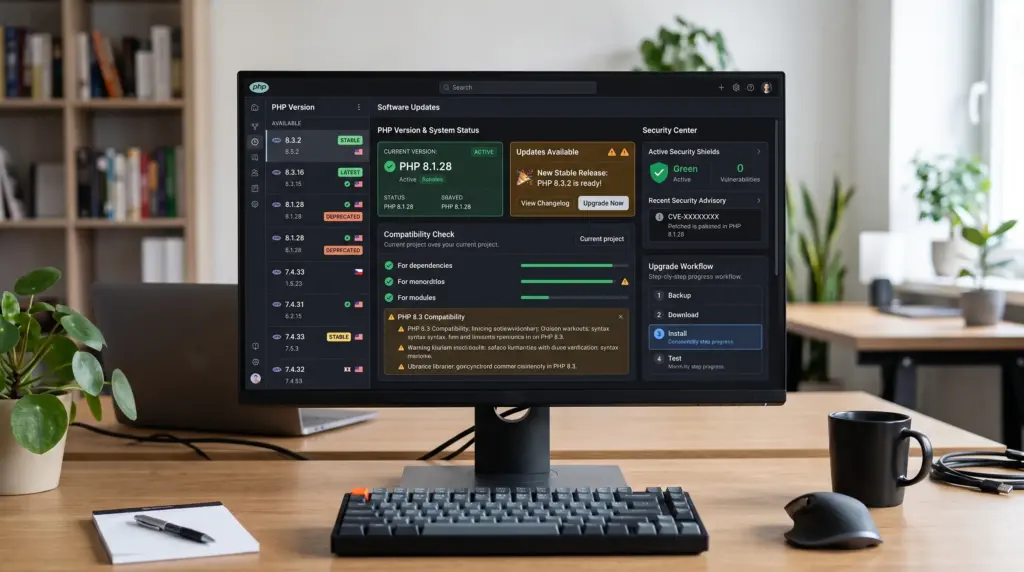
Package managers simplify installation and updates. Furthermore, they help manage versions of PHP libraries easily. For instance, Composer is widely used to manage project dependencies in a structured way.
Dependency Management Practices:
- Use Composer: Manage PHP packages and dependencies through a dedicated package manager.
- Control Versions: Define suitable version ranges. This helps reduce compatibility problems.
- Review Dependencies: Check libraries regularly. Update them whenever it is necessary.
Improve PHP Application Performance
Performance can be improved by reducing unnecessary operations. In addition, you can optimize database queries and use caching where appropriate. Measuring performance first is always better than relying on simple assumptions.
Performance Optimization Practices:
- Use Caching: Cache frequently requested data. Do this when results do not change often.
- Optimize Queries: Review slow queries and indexes. Also, monitor the amount of retrieved data.
- Reduce Repeated Work: Avoid unnecessary calculations. Furthermore, minimize repeated processing.
Test and Maintain PHP Code
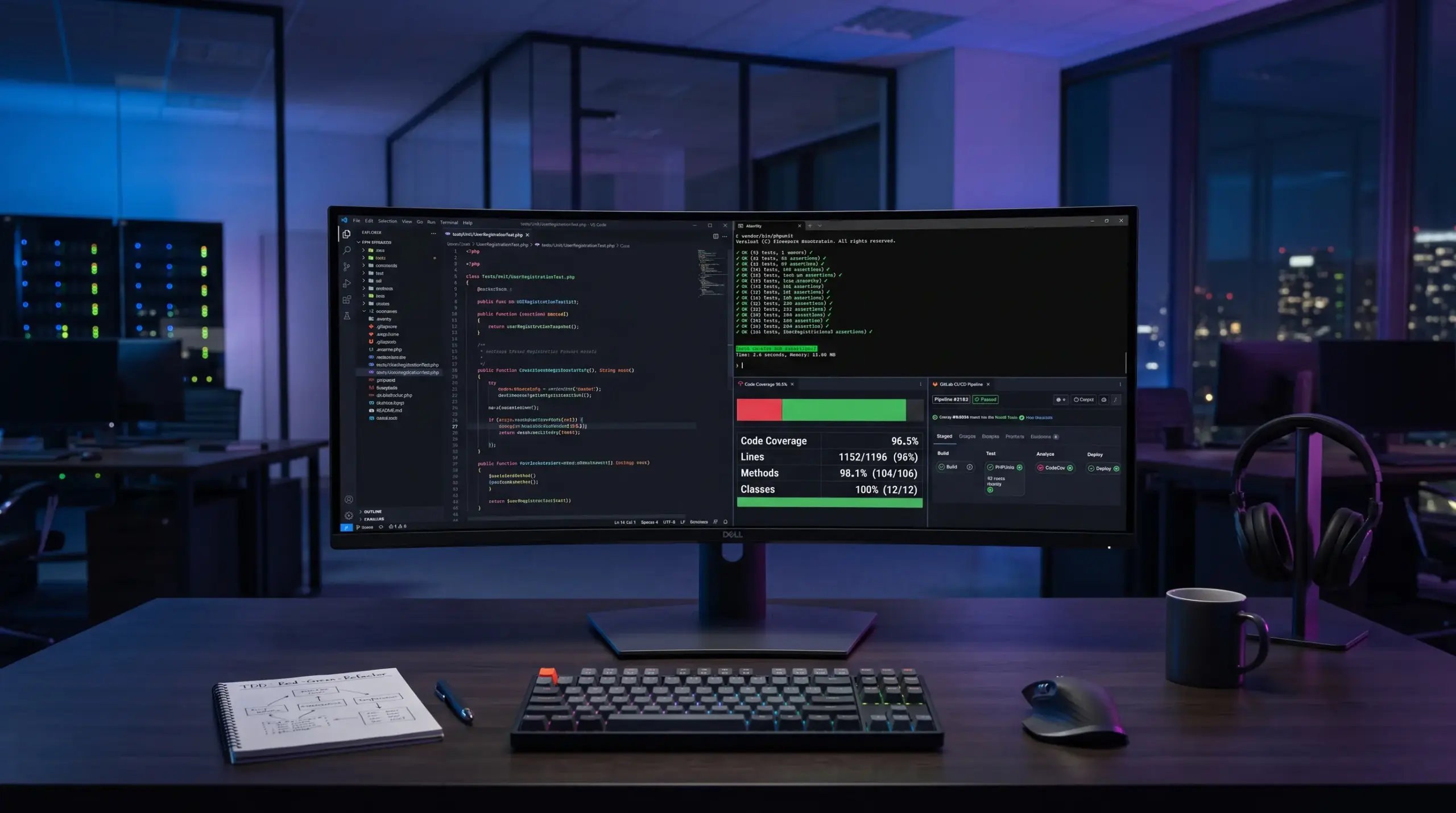
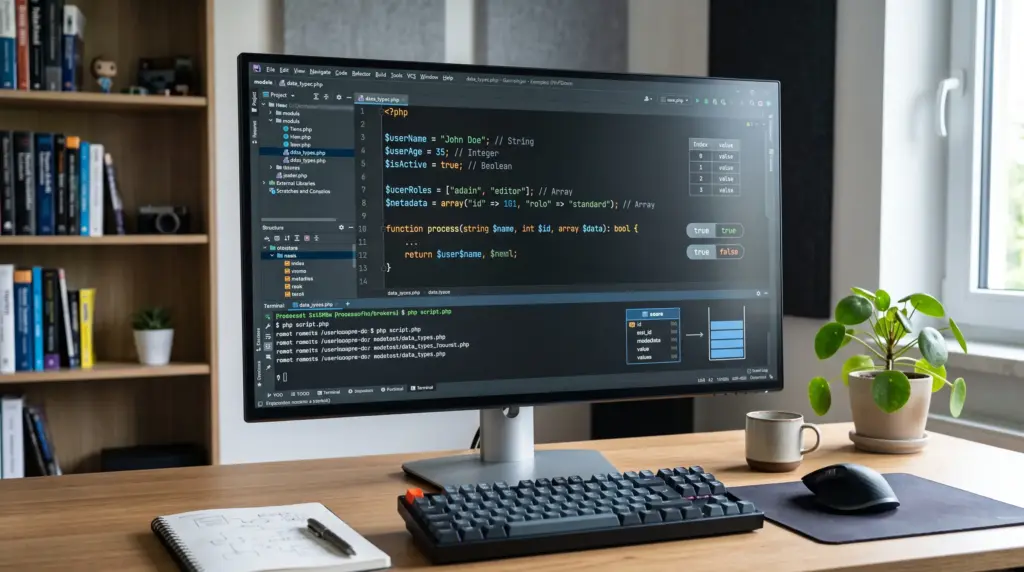
Good development practices require regular testing and code reviews. Consistent testing helps identify problems early. Consequently, it reduces the chance of recurring issues after updates.
Testing and Maintenance Practices:
- Test Functions: Make sure each function produces the expected result under different conditions.
- Test Edge Cases: Test empty, invalid, unusual, and boundary values carefully.
- Review Regularly: Check code quality and dependencies. Do this as the project evolves over time.
Keep PHP Practices Updated
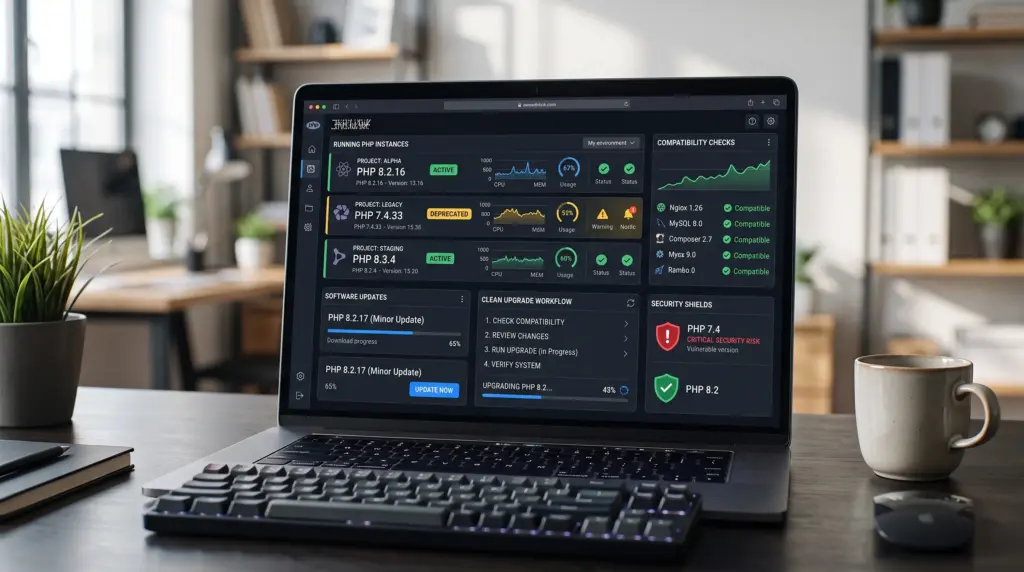
PHP development continues to evolve as new tools appear. Regular reviews help keep your code secure and efficient. In addition, they ensure your code remains maintainable and fully compatible.
Continuous Improvement Practices:
- Monitor Releases: Track supported PHP versions. Plan upgrades before support ends.
- ReviewDependencies: Check installed packages. Update them whenever appropriate.
- Refactor When Needed: Simplify complex sections. Do this when improvements can make the code clearer.

Keep PHP Practices Updated
PHP development continues to evolve as new tools appear. Regular reviews help keep your code secure and efficient. In addition, they ensure your code remains maintainable and fully compatible.
Continuous Improvement Practices:
- Monitor Releases: Track supported PHP versions. Plan upgrades before support ends.
- ReviewDependencies: Check installed packages. Update them whenever appropriate.
- Refactor When Needed: Simplify complex sections. Do this when improvements can make the code clearer.