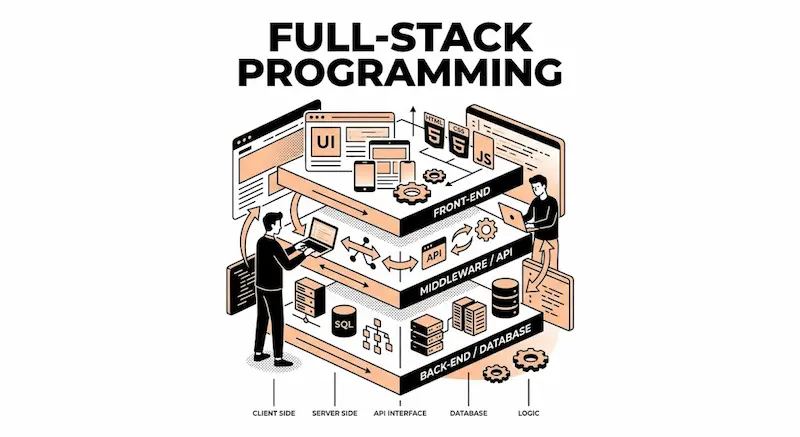

What Is a Database?
A database stores, organizes, and retrieves application data. First, choosing the right database directly affects performance. Furthermore, it impacts scalability and data management as usage increases.
- Data Storage: It stores user information, transactions, and records in an organized structure.
- Data Retrieval: Moreover, it enables applications to search and access stored information efficiently.
- Data Protection: In addition, it supports security mechanisms to protect information from unauthorized access.
SQL vs NoSQL: What Is the Difference?
SQL databases organize information through structured tables. On the other hand, NoSQL databases use flexible models. Therefore, the right choice depends on how your application handles data.
- SQL Databases: They work well with structured information and complex queries.
- NoSQL Databases: Conversely, they offer flexible data structures for fast-changing information.
- Database Requirements: Ultimately, the best option depends on data structure and expected growth.

When Should You Choose SQL?
SQL databases suit applications that manage structured data. Specifically, they provide strong consistency. Consequently, they support complex relationships between records.
- Relational Data: This is useful when users and orders need clear connections.
- Reliable Transactions: Furthermore, it maintains data accuracy when multiple processes occur.
- Complex Queries: In addition, it retrieves information across multiple related tables.
When Is NoSQL a Better Choice?
NoSQL databases provide greater flexibility for data storage. Therefore, they fit applications with changing datasets. As a result, they handle flexible scaling very well.
- Changing Data: This works well when record structures evolve frequently.
- Flexible Scaling: Moreover, it distributes data across servers as traffic increases.
- Less-Structured Data: In addition, it helps when information lacks complex table relationships.

PostgreSQL vs MongoDB
PostgreSQL is a powerful relational database. Meanwhile, MongoDB uses a document-oriented model. Therefore, your choice should focus on specific project requirements.
- PostgreSQL: It is strong for structured information and advanced queries.
- MongoDB: Conversely, it simplifies apps with evolving record structures.
- Project Requirements: Ultimately, complex relationships benefit from SQL, while flexible models suit NoSQL.
How Does the Database Affect Performance?
Application speed depends on many factors. For instance, database structure, indexing, and queries affect overall performance. Consequently, optimization is vital for speed.
- Data Structure: A good design helps apps retrieve information efficiently.
- Database Indexing: Furthermore, proper indexes improve search operations on large records.
- Query Optimization: In addition, efficient queries reduce processing time.

How Does the Database Affect Server Costs?
Database costs grow over time. As storage and traffic increase, expenses rise. Therefore, initial cheap options may not save money later.
- Storage Requirements: Growing datasets require extra capacity over time.
- Resource Consumption: Furthermore, heavy operations demand more memory and power.
- Future Scalability: In addition, good architecture reduces expensive structural redesigns.
Why Is Security Important?
Security needs early planning. Since applications store sensitive info, protection is crucial. Therefore, you must implement strong security measures.
- Access Management: Define who can view or modify specific data.
- Data Encryption: Furthermore, protect information during transmission and storage.
- Backup Strategy: In addition, regular backups help restore data after failures.

Can SQL and NoSQL Work Together?
Apps do not need just one database. Instead, different systems can work together. Consequently, each database can handle its ideal role.
- Structured Core Data: SQL handles data with strict relationships and transactions.
- Flexible Information: Furthermore, NoSQL manages content that changes frequently.
- Specialized Architecture: In addition, combining them matches performance needs.
How Do You Choose the Right Database?
Choosing starts by understanding app requirements. Therefore, evaluate data structure, traffic, and cost carefully. Ultimately, pick what fits your growth.
- What Type of Data Is Used?: Determine if data is relational or flexible.
- How Much Data Is Expected?: Furthermore, estimate future users and storage needs.
- Final Takeaway: SQL suits structured data, while NoSQL offers flexibility.