

Operational and Financial Automation in Odoo
Modern organizations rely heavily on Odoo to automatically link financial workflows with daily operational activities. Consequently, this approach eliminates redundancy and minimizes administrative errors.
Core Pillars of Administrative Automation
- Automated Workflows: Seamlessly connecting transactions directly to financial logs.
- Systemic Oversight: Reducing human error and duplicate entries.
- Departmental Integration: Unifying the digital workplace environment.
Research by McKinsey shows that automating financial procedures reduces operational costs by up to 30%.
Predictive Insights and Analytics with Odoo
Odoo analyzes historical data to deliver accurate forecasts for consumer demand and market shifts. Therefore, this capability guides investments toward the most profitable opportunities.
Enterprise Forecasting Tools
- Behavioral Analysis: Evaluating past purchasing trends.
- Resource Optimization: Directing efforts toward high-value leads.

Enterprise-Wide System Integration via Odoo
API standards within Odoo ensure smooth and secure data exchange across external platforms. Furthermore, this flexibility grants higher scalability without technical friction.
Digital Integration Capabilities
- Real-Time Sync: Instant data transfer across linked platforms.
- System Compatibility: Harmonizing disparate software systems.
- Data Security: Safe information exchange following protocols.
Unified Retail Experience Management in Odoo
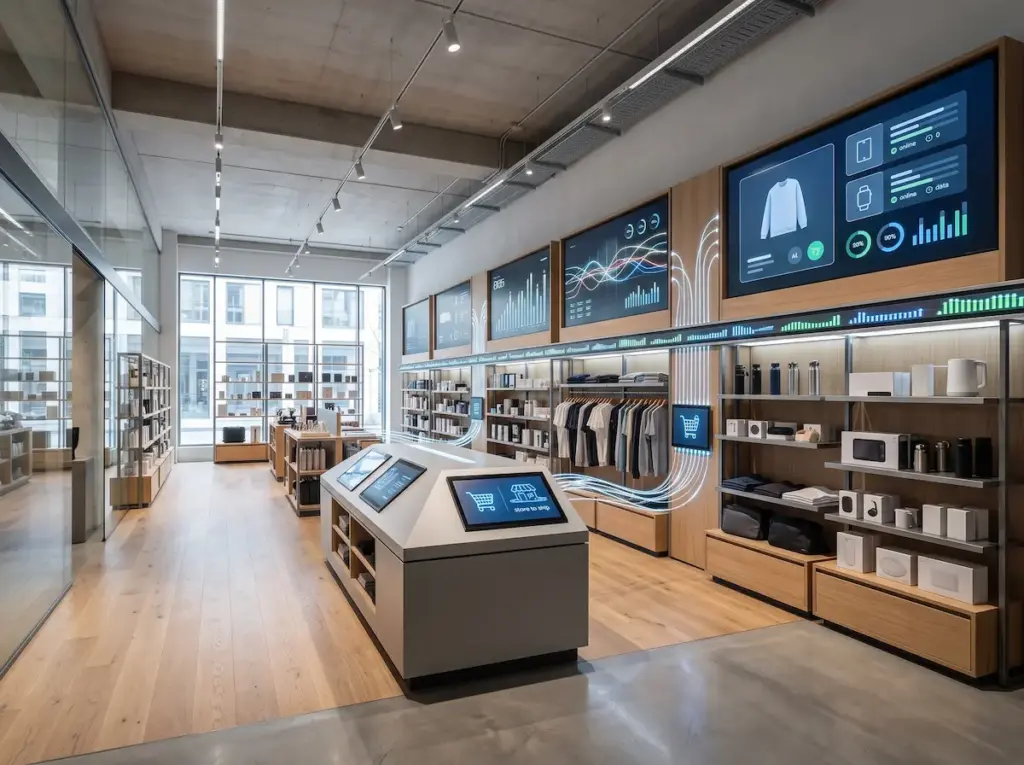
Synchronization between direct and digital channels in Odoo delivers an uninterrupted user experience. Consequently, this integration builds a centralized customer database.
Foundations of Unified Sales
- Centralized Logs: Storing transaction history in one hub.
- Channel Synergy: Connecting physical outlets with online stores.
Field Service and Maintenance Management in Odoo
Digital tracking in Odoo optimizes field team dispatching and accelerates responses to equipment issues. Moreover, this structure enhances long-term operational asset health.
Field Operations Solutions
- Task Scheduling: Dispatching work orders by geographic location.
- Digital Records: Archiving historical repair logs for analysis.
- Parts Tracking: Allocating required spare parts instantly.
Document Organization and Smart Archiving in Odoo
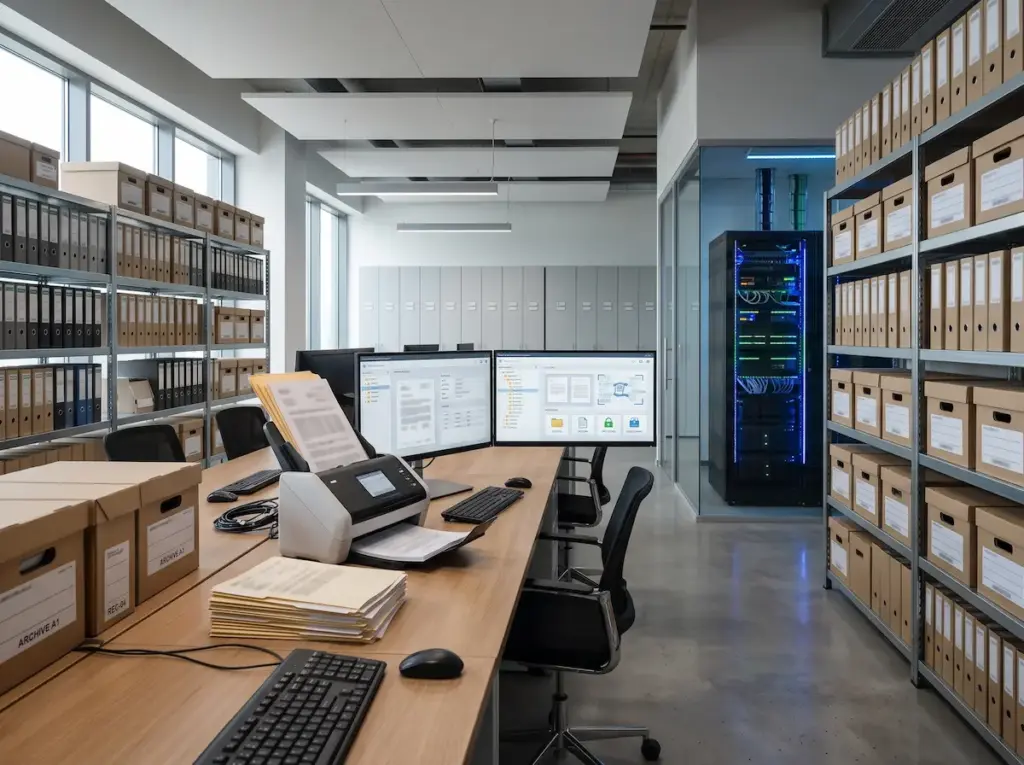
Digital archiving tools in Odoo protect critical records while enabling instant retrieval when needed. Additionally, these solutions accelerate daily operations via OCR search.
Digital Storage Features
- Folder Hierarchy: Structuring files cleanly by department.
- Data Extraction: Converting scanned documents into text.
Studies by Gartner indicate that digital archiving boosts file retrieval productivity by 28%.
Flexible Point of Sale Solutions with Odoo
Direct sales interfaces in Odoo handle rapid invoice processing with full offline support. Therefore, this reliability ensures uninterrupted retail operations under all conditions.
Checkout System Features
- Offline Functionality: Processing transactions without internet.
- Auto Stock Adjustment: Updating inventory levels instantly.
Project Planning and Task Scheduling in Odoo
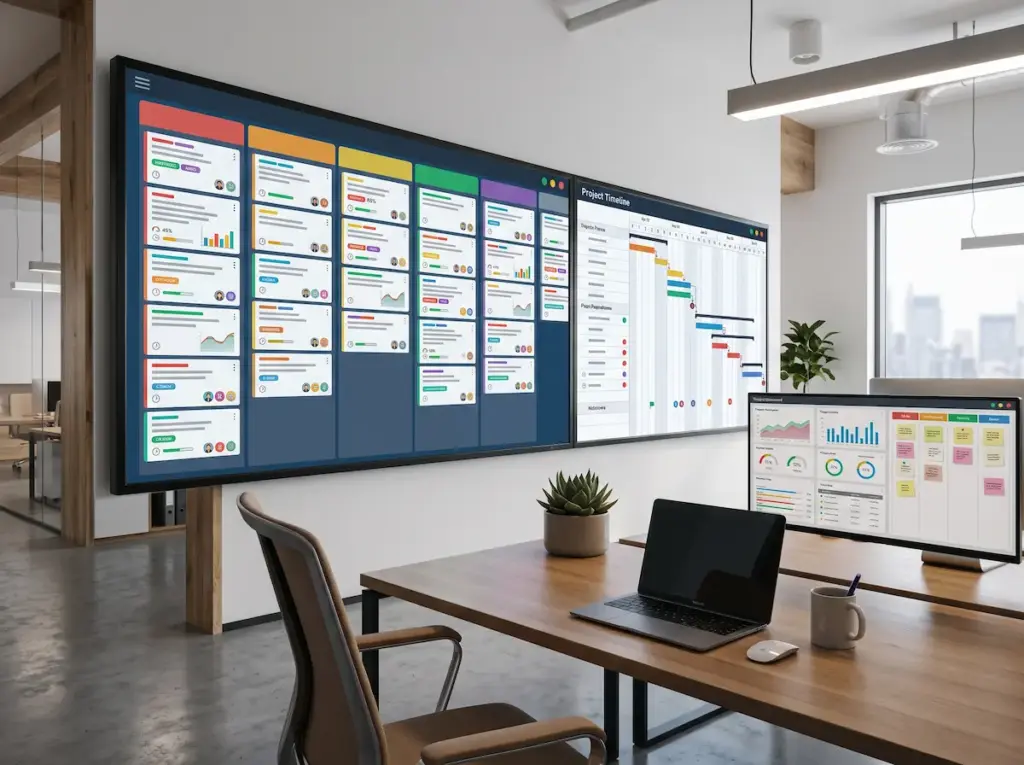
Breaking down large projects into manageable phases in Odoo improves timeline control. Consequently, this transparent structure ensures clear responsibility distribution.
Execution Tracking Tools
- Interactive Boards: Visualizing workflows using Kanban views.
- Time Tracking: Logging exact working hours via timesheets.
Reports from PMI reveal that digital project planning decreases resource waste by 21%.
Production Line and Manufacturing Control in Odoo
Digital bills of materials in Odoo help determine exact product costs before manufacturing begins. Furthermore, precise scheduling ensures maximum machine capacity utilization.
Industrial Control Elements
- Material Estimation: Calculating precise raw material ratios.
- Component Reservation: Auto-reserving stock for production.
- Work Center Monitoring: Tracking overall machine efficiency.
Automated Procurement and Vendor Management in Odoo
Odoo simplifies request-for-quotation workflows to help select optimal suppliers efficiently. Therefore, this streamlined process significantly reduces operational purchasing costs.
Procurement Cycle Steps
- Batch RFQs: Requesting vendor quotes simultaneously.
- Vendor Evaluation: Rating supplier quality and speed.
Deloitte reports show that automating procurement processes cuts operational purchasing costs by 15%.