1. Concept of Open-source Programming
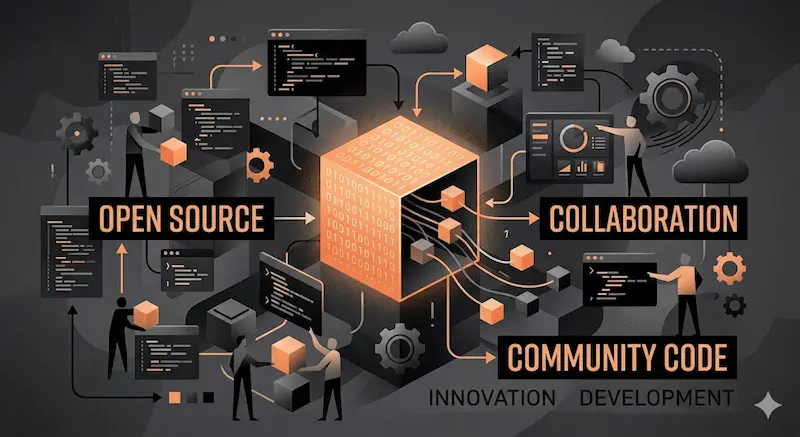
Open-source programming simply means making source code available for anyone to modify. Therefore, people can improve it easily. This model is very popular today. Furthermore, it changes how we build software by focusing on sharing. Consequently, this approach leads to several key aspects:
Key aspects
- Transparency: Code is open for inspection and improvement.
- Collaboration: Developers share knowledge and efforts easily.
- Flexibility: Therefore, you can customize code based on your needs.
2. Importance of Open-source Software
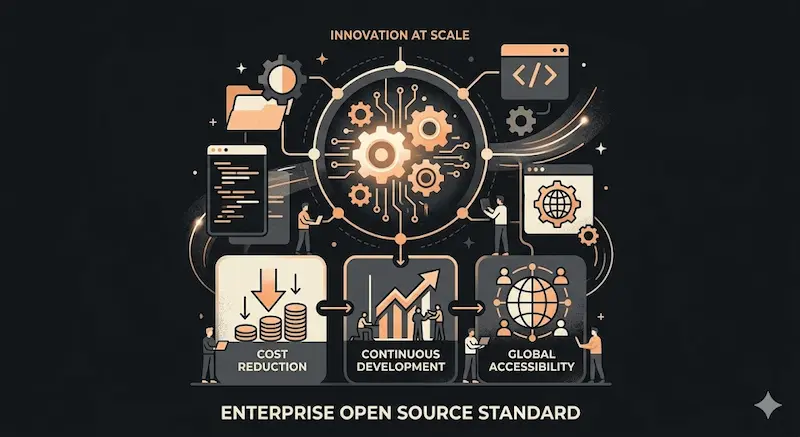
It accelerates innovation and provides scalable solutions at lower cost. However, its value goes beyond just saving money. In fact, according to a report by Red Hat, 90% of IT leaders are using enterprise open source today. Therefore, it is a standard in modern tech. This importance comes from several main benefits:
Main benefits
- Cost reduction: No paid licenses are required.
- Continuous development: Community updates happen daily.
- Accessibility: Consequently, it is available globally to everyone.
3. Advantages of Open-source Code
It gives developers full freedom to build scalable and customized solutions. In addition, it creates a sense of ownership. Therefore, many developers prefer it over closed systems. This freedom brings several core advantages to your projects:
Core advantages
- Modifiability: You can easily change and adapt the code.
- Community support: People find ready solutions to issues quickly.
- Better security: Continuous code review makes it safer.
4. Challenges in Open-source Programming
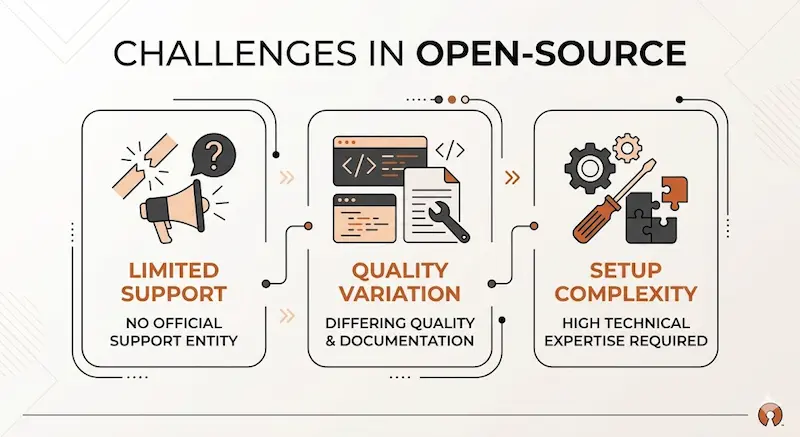
Despite its benefits, it faces challenges in management and support. Therefore, users must be careful. For example, some projects stop getting updates suddenly. Consequently, you need to understand these key challenges before starting:
Key challenges
- Limited support: There is usually no official support entity.
- Quality variation: Projects differ in quality and documentation.
- Setup complexity: It often requires high technical expertise.
5. How to Get Started
Start by learning basics and gradually contributing to simple projects. In addition, do not be afraid to make mistakes. Therefore, practice is your best teacher. You can follow these getting started steps to begin your journey:
Getting started steps
- Learn fundamentals: Understand basic programming languages first.
- Explore projects: Review open-source code on GitHub.
- Contribute gradually: Consequently, start with fixing small typos.
6. Role of Tech Communities
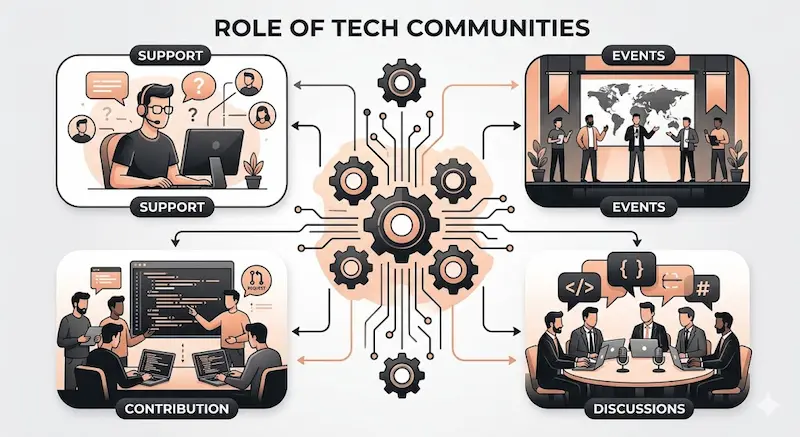
Communities play a key role in supporting and improving open projects. For example, they answer questions on forums. Furthermore, they organize global events. Consequently, these communities maintain the system through several vital roles:
Community roles
- Contribution: Members actively improve and develop the code.
- Guidance: Experienced users help beginners grow quickly.
- Discussions: Therefore, people can exchange technical ideas freely.
7. Open-source Tools
It relies on powerful tools to manage and develop code efficiently. Therefore, choosing the right tool is very important. According to GitHub, there are over 100 million developers using their platform. Consequently, this shows the massive scale of modern coding. You will need several essential tools:
Essential tools
- Version control: You can manage code versions easily.
- Code editors: These provide flexible development environments.
- Collaboration platforms: Therefore, sharing projects becomes simple.
8. Impact on Learning
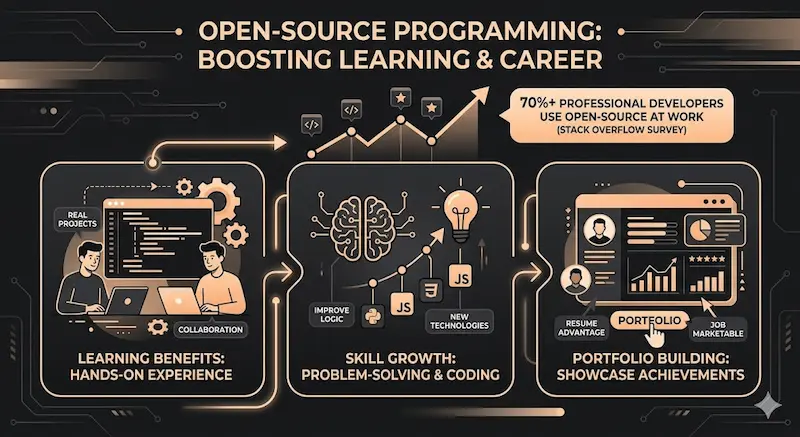
Provides practical learning through real-world applications. Therefore, it is a great school for developers. In fact, the Stack Overflow Developer Survey shows that over 70% of professional developers use open-source software at work. Consequently, learning it boosts your career with several benefits:
Learning benefits
- Hands-on experience: You work on real and big projects.
- Skill growth: Therefore, you improve your problem-solving skills.
- Portfolio building: You can easily showcase your achievements.
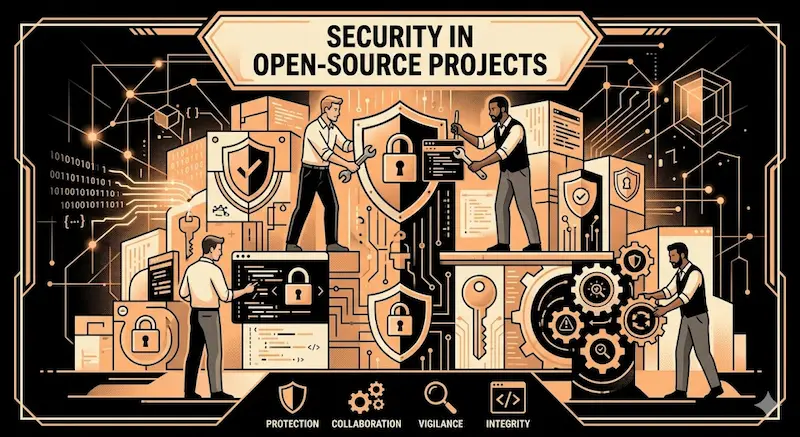
9. Security in Open-source Projects
Security depends heavily on community-driven code reviews. Therefore, many eyes make bugs visible. However, you must keep your projects updated to stay safe. Furthermore, this method prevents hidden backdoors. This model works well because of several security factors:
Security factors
- Peer review: Thousands of eyes find vulnerabilities quickly.
- Frequent updates: Therefore, developers fix security issues regularly.
- Code transparency: You get full visibility into the code.
10. Future of Open-source Programming
It is expanding rapidly with growing reliance on digital solutions. In addition, new tech depends on it. For example, the Linux Foundation notes that open source fuels most cloud computing today. Consequently, its growth will not stop. You can expect several future trends to dominate:
Future trends
- AI integration: We will see smarter development tools.
- Cloud applications: Therefore, wider adoption is coming soon.
- UX improvements: Projects will have much better user experiences.

11. Tips for Success in Open-source
Consistency and continuous learning are key to success. Therefore, you should build a routine. However, do not rush the process. Furthermore, helping others is the best way to grow yourself. Follow these practical tips for a great experience:
Practical tips
- Daily learning: You need to improve consistently every day.
- Active contribution: Therefore, go beyond just observing.
- Stay updated: Consequently, follow modern technologies closely.