1. Complete Website Creation
Building a website needs clear steps. First, we study your idea. Then, we plan carefully. As a result, everything moves smoothly.
Creation Steps:
- Idea Conceptualization: First, we turn vision into a clear plan.
- Design Drafting: Then, we create simple layouts.
- Development Planning: Next, we choose the right tools.
- Project Scheduling: Finally, we set deadlines clearly.
2. Creative Design Strategy
Design shapes first impressions. Also, it builds trust. Therefore, we focus on clarity and balance.
Strategy Components:
- Brand Identity Integration: First, align visuals with brand.
- Color and Typography: Then, choose clear styles.
- User Interface Layouts: Next, arrange elements clearly.
- Interactive Mockups: Finally, test user flow early.
3. User Experience Optimization
Good experience keeps users longer. Moreover, simple design increases trust. So, we remove confusion.
UX Techniques:
- Navigation Simplification: First, menus are easy.
- Clear Call-to-Actions: Also, actions are visible.
- Responsive Interfaces: Then, layout fits all screens.
- Accessibility Compliance: Finally, design supports everyone.

4. Frontend Development Excellence
Frontend makes the design real. First, we build structure. Then, we add interaction. As a result, users enjoy smooth browsing.
Frontend Features:
- Semantic HTML: Clean structure improves clarity.
- Interactive Components: Also, dynamic elements engage users.
- Animations: Then, smooth transitions enhance feel.
- Reusable Modules: Finally, updates become easier.
5. Backend Engineering
Backend powers the system. First, logic runs securely. Then, data flows correctly. Therefore, performance stays stable.
Backend Essentials:
- Server Side Logic: Processes work efficiently.
- Database Structuring: Also, data stays organized.
- Authentication Systems: Then, accounts stay protected.
- API Connectivity: Finally, systems integrate smoothly.
6. E-Commerce Capabilities
Online selling needs strong systems. First, payments must be secure. Also, checkout must be simple. As a result, sales increase.
E-Commerce Features:
- Secure Payment Gateways: Transactions stay safe.
- Inventory Management: Also, stock updates automatically.
- Custom Product Pages: Products appear clearly.
- Optimized Checkout: Finally, fewer steps mean more sales.

7. Technical SEO
SEO increases visibility. First, keywords are targeted. Then, pages are optimized. Therefore, traffic grows steadily.
SEO Techniques:
- Keyword Optimization: Target local searches.
- Meta Tags: Also, improve click rates.
- Structured Data: Then, search engines understand better.
- Page Speed: Finally, fast loading boosts ranking.
8. Analytics Integration
Tracking improves results. First, we study behavior. Then, we measure conversions. As a result, decisions become smarter.
Tracking Tools:
- Visitor Analysis: Understand user actions.
- Conversion Tracking: Also, measure sales.
- Traffic Reports: Then, identify strong channels.
- Dashboards: Finally, monitor KPIs clearly.
9. Post Launch Maintenance
Launching is only the beginning. First, systems must stay updated. Then, issues must be fixed quickly. Therefore, performance remains stable.
Maintenance Activities:
- Software Updates: First, keep systems secure.
- Bug Fixes: Also, solve problems fast.
- Content Updates: Then, refresh information regularly.
- System Monitoring: Finally, track uptime and speed.
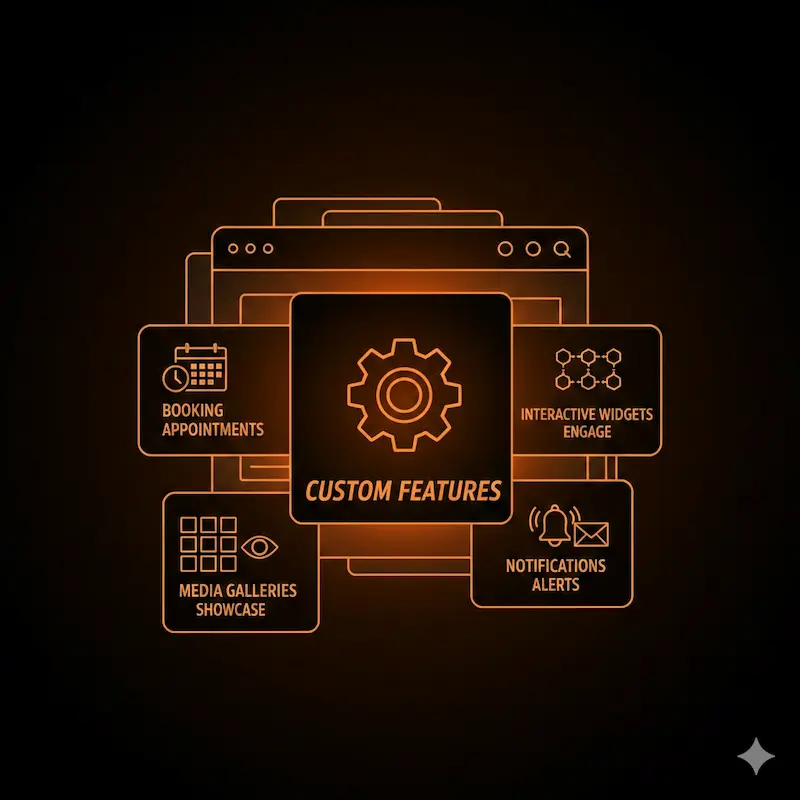
10. Custom Features
Every business is different. Therefore, custom features are important. First, we understand needs. Then, we build tailored solutions.
Feature Options:
- Booking Systems: Automate appointments easily.
- Interactive Widgets: Also, engage users dynamically.
- Media Galleries: Then, display portfolios clearly.
- Notifications: Finally, inform users instantly.
11. Branding and Identity
Strong branding builds trust. First, visuals must match identity. Also, consistency improves recognition. As a result, users remember the brand.
Brand Components:
- Logo Placement: Highlight brand clearly.
- Color Consistency: Also, keep visuals unified.
- Typography Standards: Then, ensure readable fonts.
- Visual Storytelling: Finally, use images effectively.
12. Local Expertise
Local knowledge improves relevance. First, we study market behavior. Then, we adapt content culturally. Therefore, projects connect better.
Location Benefits:
- Market Insights: Understand customer needs.
- Cultural Adaptation: Also, tailor tone properly.
- Competitor Awareness: Then, stay ahead locally.
- On-Site Consultation: Finally, provide direct meetings.

13. Scalable Architecture
Growth needs flexibility. First, systems must scale easily. Then, performance must stay strong. As a result, expansion becomes simple.
Scalability Features:
- Modular Design: Add features easily.
- Cloud Hosting: Also, handle traffic spikes.
- Database Optimization: Then, keep queries fast.
- API Connectivity: Finally, integrate tools smoothly.
14. Project Management
Good management ensures success. First, we track milestones. Then, we manage budget carefully. Therefore, delivery stays on time.
Management Practices:
- Milestone Tracking: Monitor progress clearly.
- Transparent Scheduling: Also, set clear timelines.
- Budget Control: Then, avoid surprises.
- Client Communication: Finally, give regular updates.