
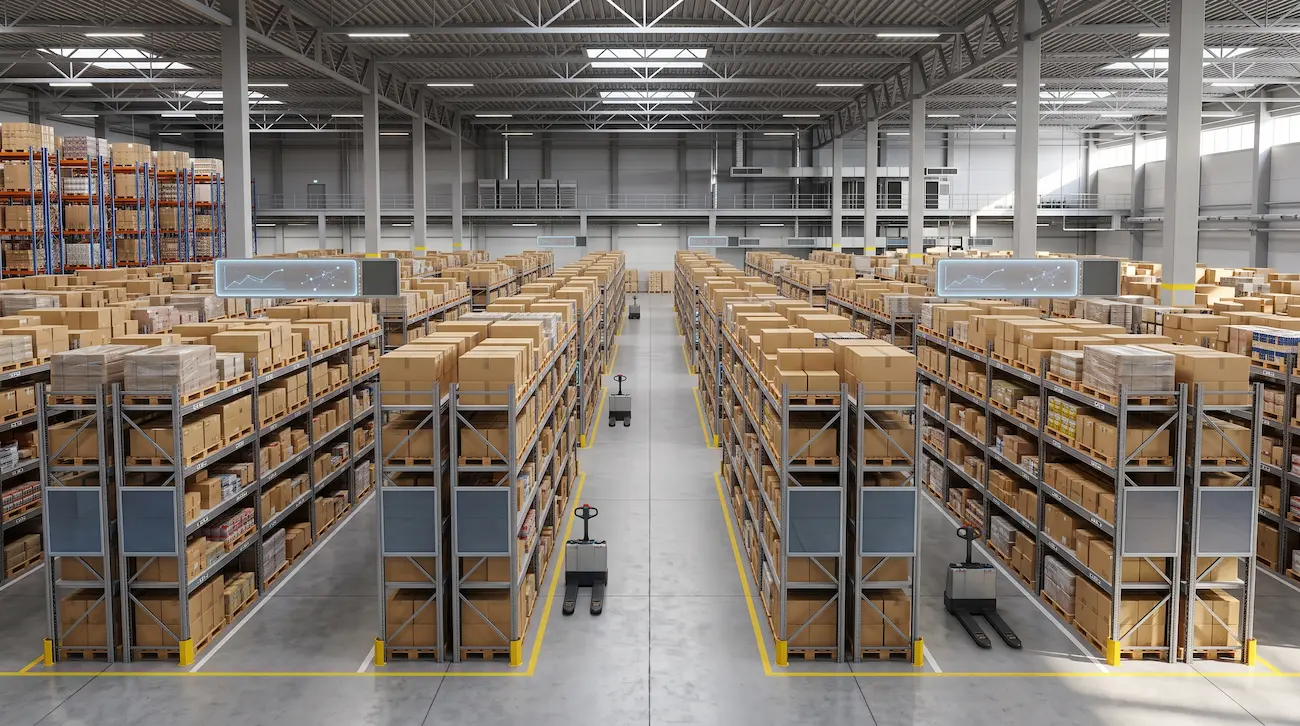
Multi-Warehouse and Multi-Branch Tracking
Furthermore, the Odoo ecosystem manages multiple warehouses across different locations effortlessly. Consequently, businesses can track stock instantly.
- Structural Layout: Moreover, managers can divide warehouses neatly into shelves and specific zones.
- Additionally, global tracking allows teams to monitor live stock levels across all operating sites.
Receipts and Delivery Order Operations
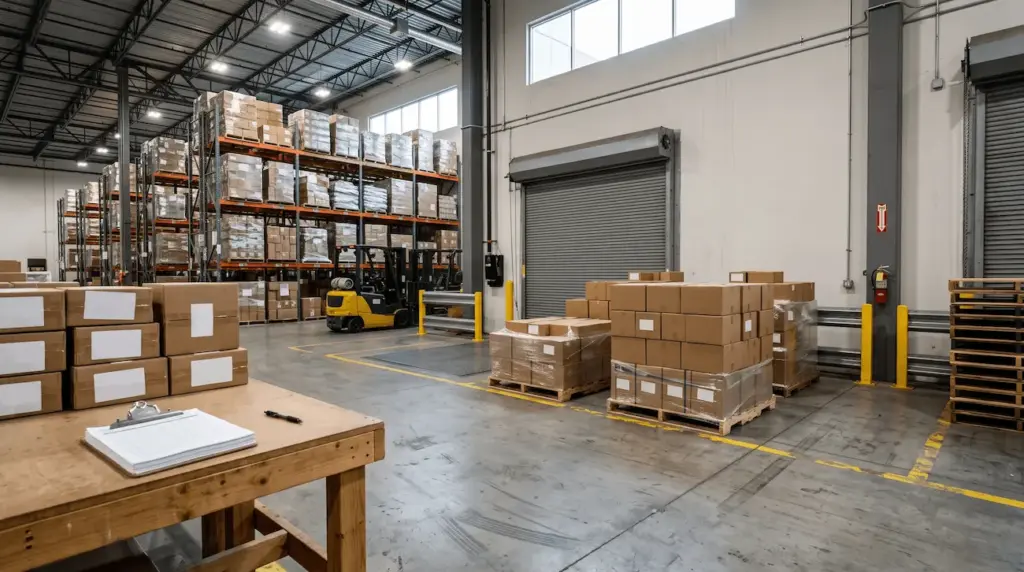
In addition, Odoo inventory procedures actively prevent operational field mistakes. Therefore, warehouse accuracy improves significantly.
- Receipt Inspection: First, staff ensure precise matching between physical orders and incoming goods.
- Delivery Orders: Subsequently, systems issue picking slips efficiently based on confirmed sales orders.
- Auto Posting: Finally, software updates available quantities automatically upon completion.
Serial Numbers and Expiry Tracking
Moreover, specialized Odoo tools ensure rigorous monitoring of products. Specifically, they handle unique serial numbers and expiration dates.
- Serial Numbering: For instance, technicians can trace equipment and electronics easily via serials.
- Expiration Dates: Meanwhile, managers handle perishable goods effectively by tracking shelf life.
Automated Reordering and Min-Stock Points
Furthermore, Odoo automated tools prevent stockouts by generating purchase orders proactively. Specifically, supply chain research shows inventory automation reduces stockouts by 30%.
- Safety Stock: Initially, planners define minimum stock thresholds for each item.
- Auto Reorder: Thus, the system creates purchase drafts automatically upon reaching limits.
- Preferred Vendor: Consequently, RFQs are sent to primary suppliers instantly.
Perennial and Annual Inventory Audits
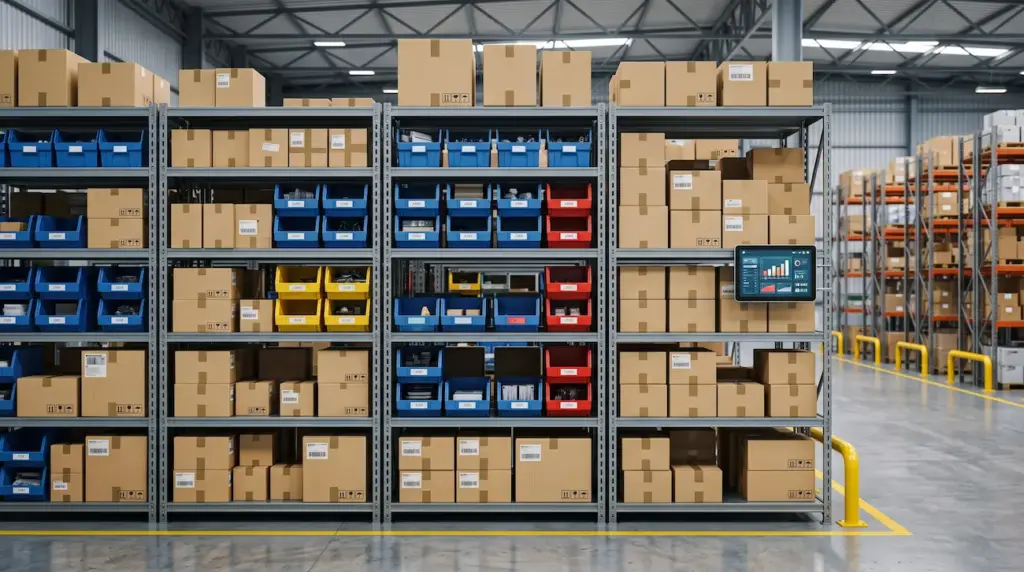
In addition, Odoo digital tools streamline stocktaking procedures. As a result, companies match actual stock with records effortlessly.
- Cycle Counting: For example, staff audit specific stock segments periodically throughout the year.
- Quick Adjustment: Therefore, operators record variances and update inventory with one single click.
Internal Transfers Between Warehouses
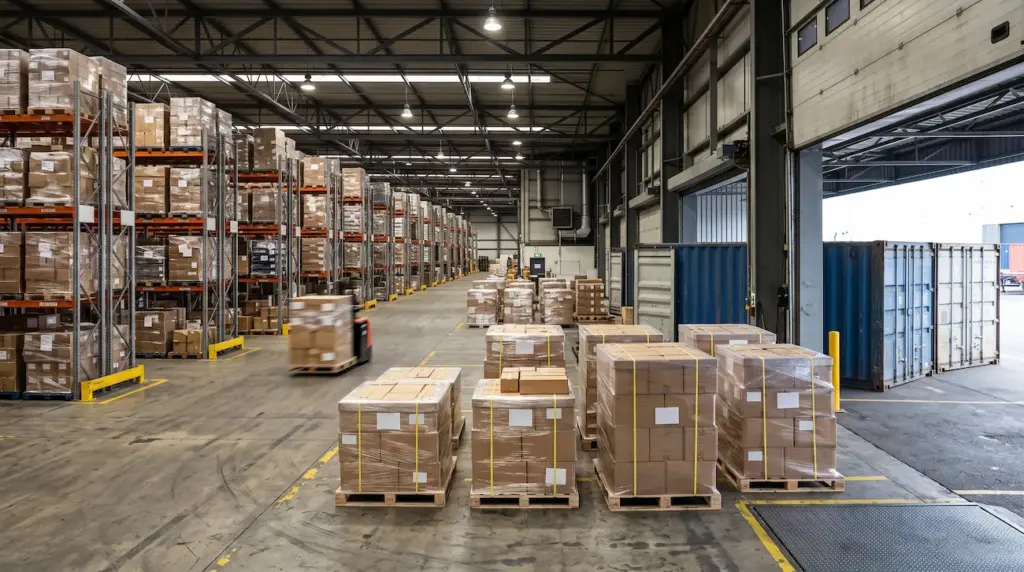
Moreover, Odoo tools facilitate moving goods smoothly between branches and approved zones. Hence, internal logistics become seamless.
- Transfer Request: First, employees generate goods transfer slips between operational sites.
- Shipment Tracking: Next, teams follow inventory movement closely until safe arrival.
- Accurate Receipt: Finally, staff confirm incoming shipments and update stock records.
Barcode Integration for Warehouse Operations
Furthermore, integrated barcode scanners accelerate audits and receipts dramatically. Therefore, manual errors drop to zero.
- High Speed: Specifically, operators enter data rapidly without typing mistakes.
- Label Printing: Additionally, staff design and print item barcode labels with ease.
Stock Valuation and Costing Methods
In addition, Odoo provides multiple valuation methods like AVCO and FIFO. Consequently, financial reporting remains accurate.
- Weighted Average: For instance, systems calculate average item costs with high precision.
- FIFO Method: Alternatively, accountants apply costing based strictly on receipt sequence.
- Actual Cost: Moreover, managers determine exact costs per individual lot.
Packing, Packaging, and Shipping Logistics
Furthermore, Odoo tools assist workers in preparing packages and selecting shipping partners. Thus, fulfillment is faster.
- Package Management: Specifically, operators divide goods into suitable boxes and spaces.
- Shipping Labels: Additionally, systems generate and print shipping waybills automatically.
Demand Forecasting and Inventory Analytics
In conclusion, Odoo analytical reports offer deep insights into turnover rates and planning. Therefore, future forecasting improves.
- Turnover Rate: For example, managers identify fast-moving and slow-moving items instantly.
- Professional Planning: Moreover, teams estimate future inventory requirements accurately.
- Waste Reduction: Finally, businesses prevent the accumulation of unwanted stock.