

Digital processing of assets accurately maintains the book value of organizations.
Digital asset management helps companies track their financial value accurately. Consequently, organizations can prevent errors and keep reliable financial records. In addition, these system tools simplify asset monitoring across all departments. This control relies on several key tracking mechanisms:
- Asset Register: Registering and classifying each asset.
- Digital Tagging: Linking assets with barcode labels.
- Branch Distribution: Defining operational asset locations.
Automated depreciation methods ensure applying accounting rules without manual intervention.
Automated depreciation schedules allow businesses to apply standard accounting rules automatically. As a result, finance teams avoid tedious manual calculations and human error. Furthermore, these tools ensure consistent compliance with financial standards over time. Businesses primarily rely on core depreciation methods:
- Straight Line: Distributing cost evenly each year.
- Declining Balance: Calculating higher rates initially.
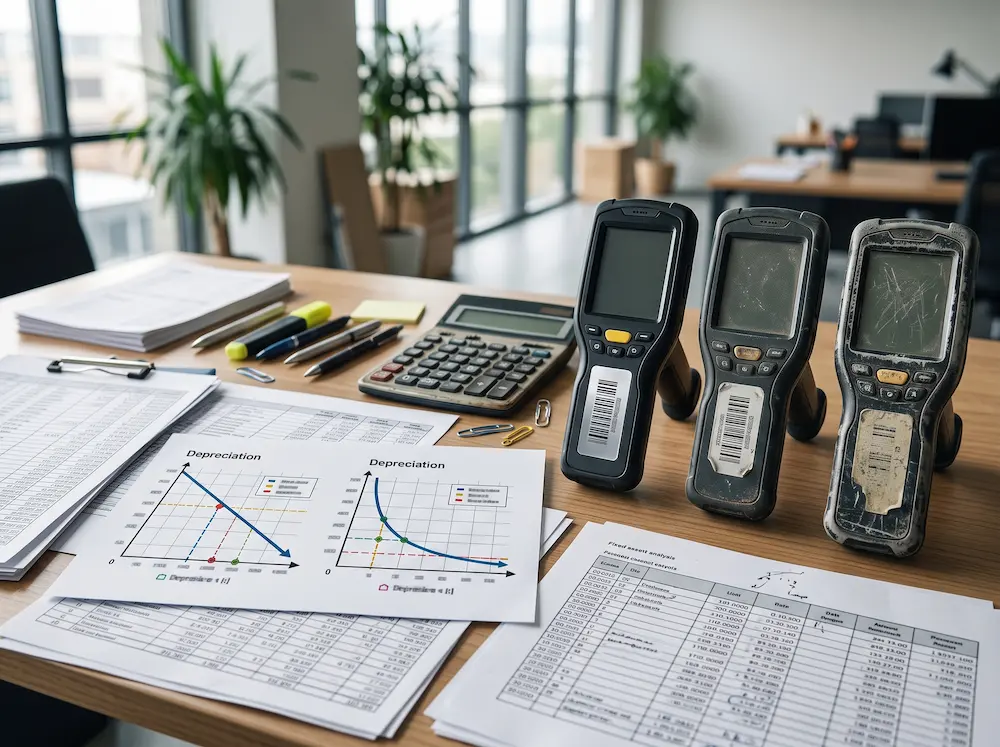
Revaluation options assist in monitoring the actual market value of properties easily.
Regular property revaluation helps organizations monitor true market prices effortlessly. In fact, Gartner studies indicate that financial automation increases valuation accuracy by 28%. Therefore, tracking current values guarantees transparent reporting for shareholders and auditors. This process relies on key perpetual valuation pillars:
- Unbiased Adjustment: Modifying values by usage.
- Valuation Differences: Posting gains and losses automatically.
- Performance Review: Measuring productivity per asset.
Digital tools allow regular asset maintenance to preserve their expected lifespan.
Modern digital tools help teams perform timely maintenance to protect asset lifespans. As a result, equipment lasts longer and operates at full capacity. Moreover, proactive care minimizes costly unexpected breakdowns across facility operations. Essential maintenance and prevention steps include:
- Periodic Scheduling: Setting technical inspection dates.
- Maintenance Costs: Capitalizing repairs to asset value.
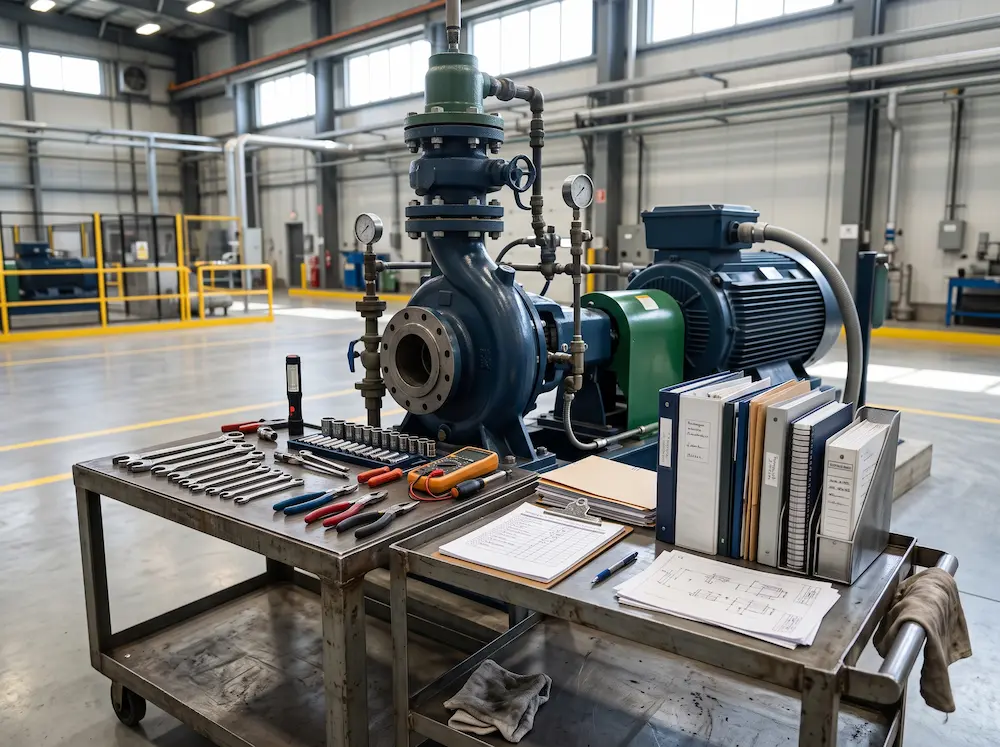
The system provides direct integration between asset movement and general ledger entries.
Automated systems connect physical asset movements directly to general ledger entries. Furthermore, McKinsey research shows that automating workflows reduces operational costs by up to 30%. Consequently, financial data stays balanced without extra administrative effort. The main financial integration pillars include:
- Auto Batching: Generating depreciation entries periodically.
- Balance Sheet Sync: Updating financial statements instantly.
- Invoice Matching: Recording purchases as fixed assets.
Advanced operations assist in managing the sale and disposal of scrap assets successfully.
Specialized tools help companies manage the sale and disposal of retired assets smoothly. For instance, teams can write off outdated equipment without manual accounting delays. Thus, organizations keep their balance sheets clean and accurate. Primary disposal and scrap methods include:
- Auto Scrap: Removing assets and clearing value.
- Asset Sales: Recording direct sales profits.
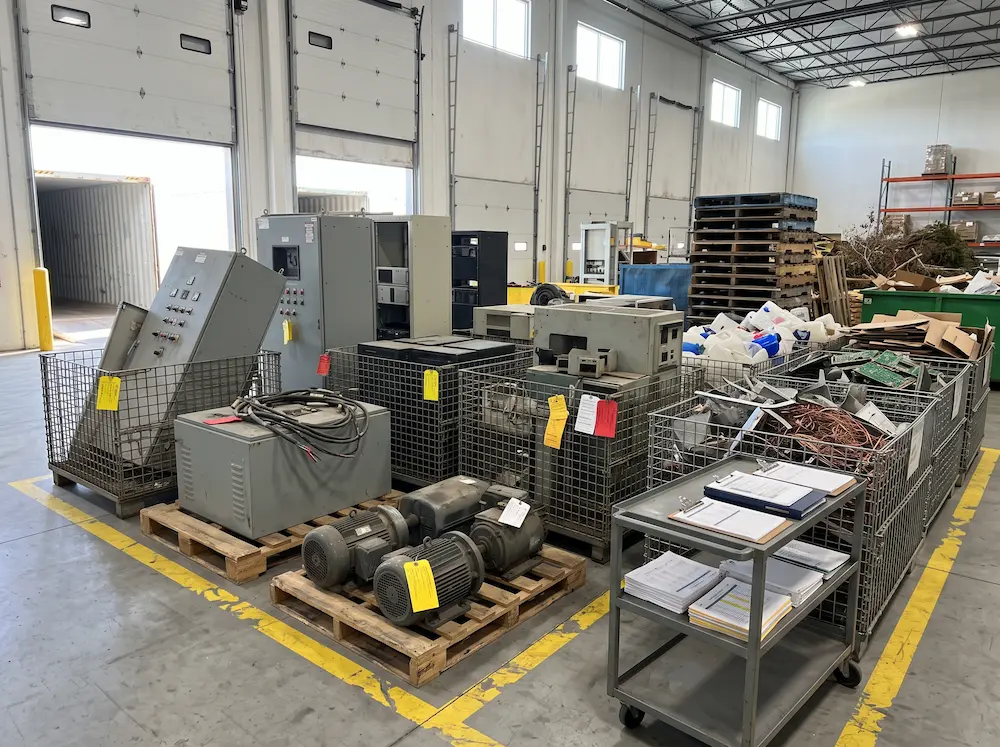
Specialized financial reports contribute to providing a comprehensive view of assets.
Custom financial reporting offers executives a full overview of company properties. Consequently, managers can track performance and plan long-term investments wisely. In addition, these reports simplify annual auditing procedures significantly. Essential analysis and reporting tools include:
- Depreciation Schedule: Showing future yearly depreciation.
- Asset Summary: Detailed report on property status.
Analytical dashboards display asset consumption indicators and operational efficiency clearly.
Real-time dashboards present asset consumption metrics clearly and effectively. In fact, Forrester reports show that live analytics increase decision-making speed by up to 35%. Therefore, leaders can identify bottlenecks and optimize resources immediately. Key financial efficiency metrics include:
- Return on Asset: Measuring property profitability accurately.
- Depreciation Ratio: Knowing remaining lifespan.
- Asset Turnover: Extent of utilizing assets.
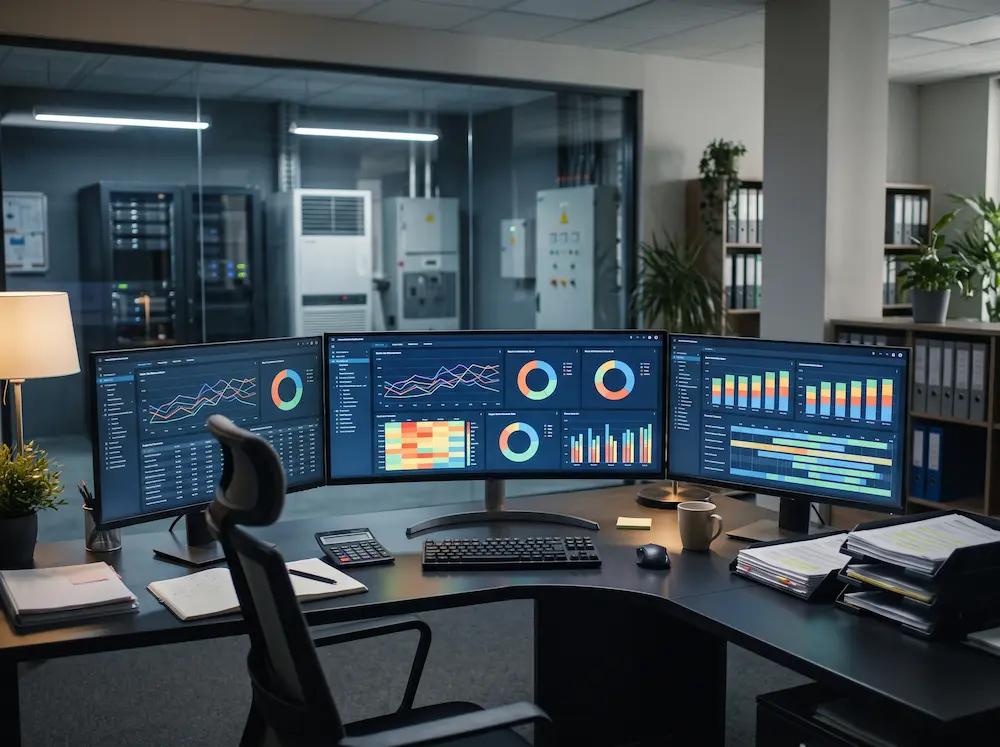
Approved access permissions guarantee protecting asset data from unauthorized modification.
Strict access permissions protect sensitive asset data against unauthorized changes. Consequently, only authorized personnel can view or update critical records. Furthermore, this controlled environment maintains overall data integrity and compliance. Essential protection and security elements include:
- Role Definition: Granting roles by specialty.
- Audit Trail: Tracking historical changes fully.
Integrating assets with project management leads to allocating costs with high precision.
Connecting asset management with project workflows ensures highly accurate cost allocation. In fact, Deloitte research confirms that connecting modules reduces human error by up to 40%. As a result, teams eliminate duplicate data entry across departments effortlessly. Core operational transparency pillars include:
- Project Linking: Charging asset depreciation to projects.
- Single Database: Sharing data without duplication.
- Real-Time Sync: Modifying asset status instantly.