
The Importance of Security from the Planning Stage
True software security begins before writing the first line of code. Therefore, early planning must identify sensitive data, potential risks, and access needs. Furthermore, building security rules into the planning phase helps reduce flaws and prevents costly fixes later.
Key Security Planning Steps
- Identify Risks: Define potential threats before development begins.
- Set Requirements: Establish clear rules for protecting and accessing data.
- Design Controls: Match each identified risk with an appropriate security measure.
The Importance of Security from the Planning Stage
True software security begins before writing the first line of code. Therefore, early planning must identify sensitive data, potential risks, and access needs. Furthermore, building security rules into the planning phase helps reduce flaws and prevents costly fixes later.
Key Security Planning Steps
- Identify Risks: Define potential threats before development begins.
- Set Requirements: Establish clear rules for protecting and accessing data.
- Design Controls: Match each identified risk with an appropriate security measure.

Applying the Principle of Least Privilege
The principle of least privilege ensures that every user or system component gets only the exact permissions needed for tasks. Moreover, limiting extra access helps reduce damage from compromised accounts.
Permission Management Practices
- Define Roles: Create clear roles based on specific responsibilities.
- Limit Access: Grant only the permissions required for each task.
- Review Permissions: Regularly check access rights and remove unnecessary privileges.
Strengthening Authentication and Account Security
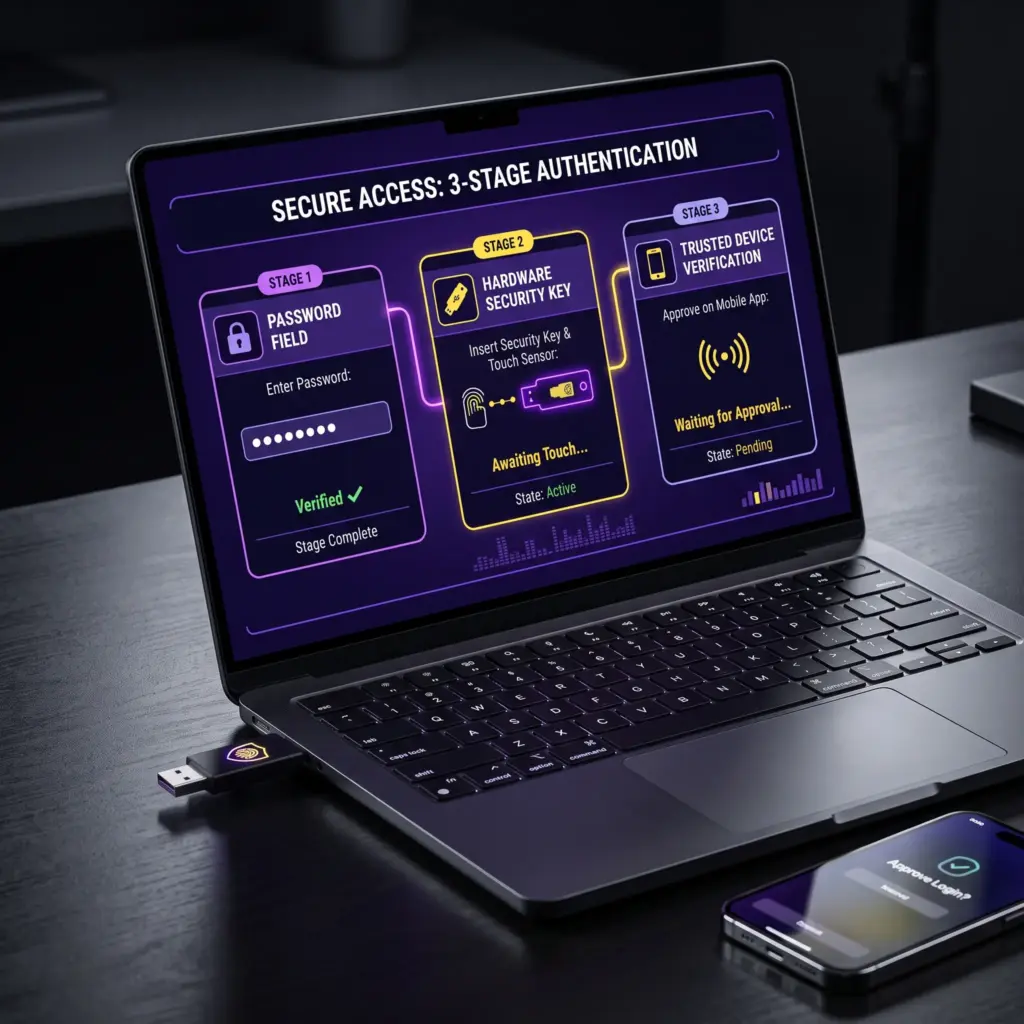
Authentication is a key security layer because stolen credentials grant direct access to protected resources. Therefore, strong passwords and multi-factor tools are essential. Furthermore, Microsoft reported in its 2025 Digital Defense Report that over 97% of identity attacks use brute-force methods, while modern multi-factor authentication can block more than 99% of them.
Account Protection Methods
- Multifactor Authentication: Add an additional verification layer beyond passwords.
- Strong Passwords: Prevent weak, reused, and easily guessed credentials.
- Session Management: Protect authentication tokens and terminate inactive sessions.
Encrypting Data During Storage and Transfer
Encryption turns readable data into protected code that needs a key to read. Thus, it should be used for stored files and data in transit. Additionally, encryption keys must be managed securely.
Essential Encryption Areas
- Data at Rest: Protect information stored in databases and files.
- Data in Transit: Secure information while it moves between systems.
- Key Management: Store and control encryption keys using secure mechanisms.
Protecting APIs and Data Access
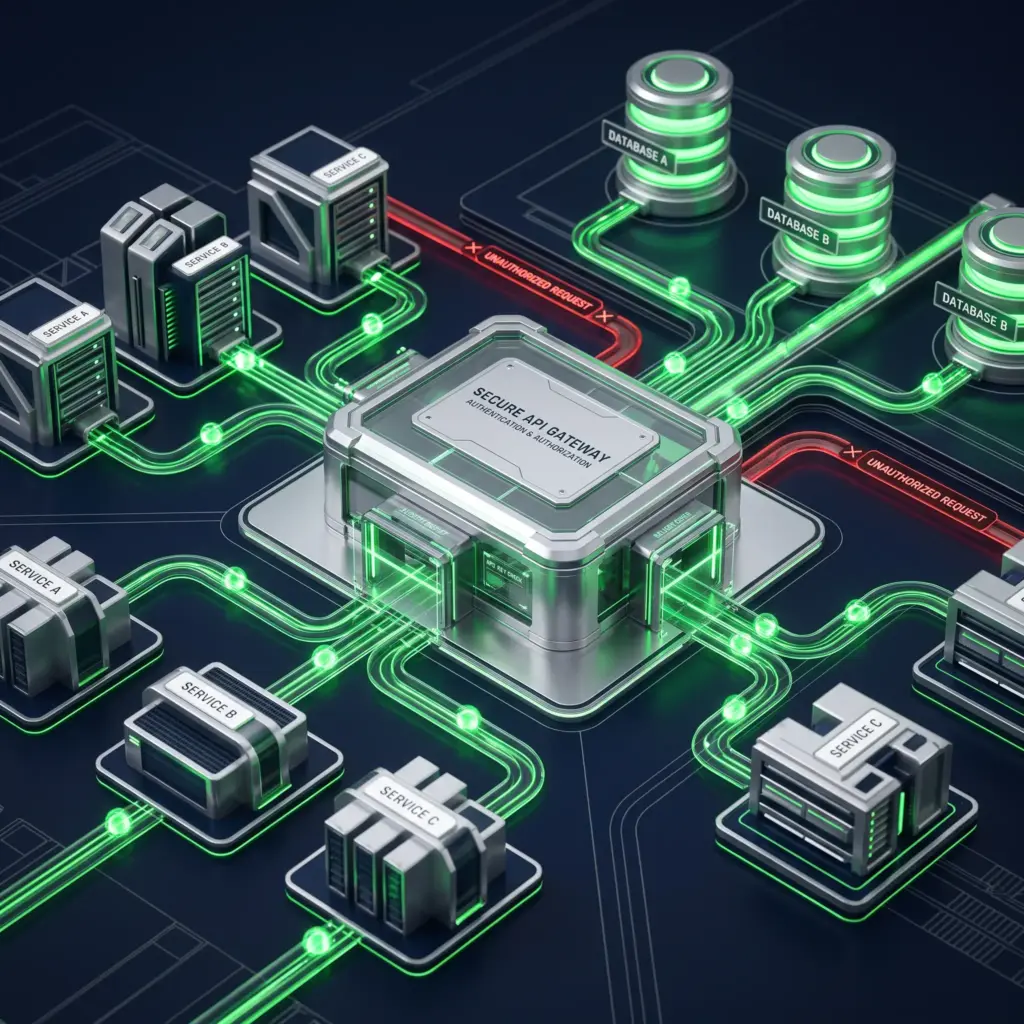
APIs and databases are critical entry points requiring strict controls. Therefore, every request must be checked and authorized before sensitive actions occur. Moreover, Verizon’s 2025 Data Breach Investigations Report found that vulnerability exploits caused 20% of breaches, marking a 34% increase.
API Security Controls
- Authorization Checks: Verify permissions before processing sensitive requests.
- Input Validation: Inspect submitted data to prevent malicious input.
- Rate Limiting: Restrict excessive requests and reduce potential abuse.
Security Testing and Early Vulnerability Detection
Security controls should be tested all through development rather than just after launch. Consequently, early testing helps spot authorization bugs and bad configs before they grow harder to fix.
Security Testing Methods
- Automated Scanning: Detect known vulnerabilities through regular automated checks.
- Penetration Testing: Simulate realistic attacks to identify weaknesses.
- Code Review: Examine security-sensitive code for potential vulnerabilities.
Monitoring and Security Activity Logging
Security monitoring gives clear visibility into system activity and flags strange behavior. Specifically, logins and permission updates must be tracked while keeping security logs safe.
Security Monitoring Elements
- Event Logging: Maintain detailed records of important system activities.
- Anomaly Detection: Identify behavior that differs from normal usage patterns.
- Security Alerts: Generate timely notifications when suspicious activity appears.

Backup and Data Recovery
Data protection also requires ensuring recovery after system crashes or security incidents. Therefore, regular backups and separate storage are vital. Furthermore, IBM’s 2025 Cost of a Data Breach Report noted that average breach costs reached $4.44 million, proving the need for strong recovery plans.
Backup Best Practices
- Regular Backups: Create backups according to data importance and change frequency.
- Separate Storage: Keep protected copies away from the primary environment.
- Recovery Testing: Regularly verify that stored data can be successfully restored.
Incident Response and Continuous Improvement
Security demands ongoing improvement as new attack methods appear. Thus, a clear incident response plan must guide threat detection and repair. Moreover, Verizon’s 2025 report showed third-party involvement in 30% of breaches, highlighting the need to check external risks.
Incident Response Stages
- Detect the Incident: Identify suspicious activity and determine its potential scope.
- Contain the Threat: Isolate affected components to prevent further damage.
- Analyze the Cause: Investigate the incident and improve controls to reduce recurrence.