

What Is the Difference Between Flutter and Native?
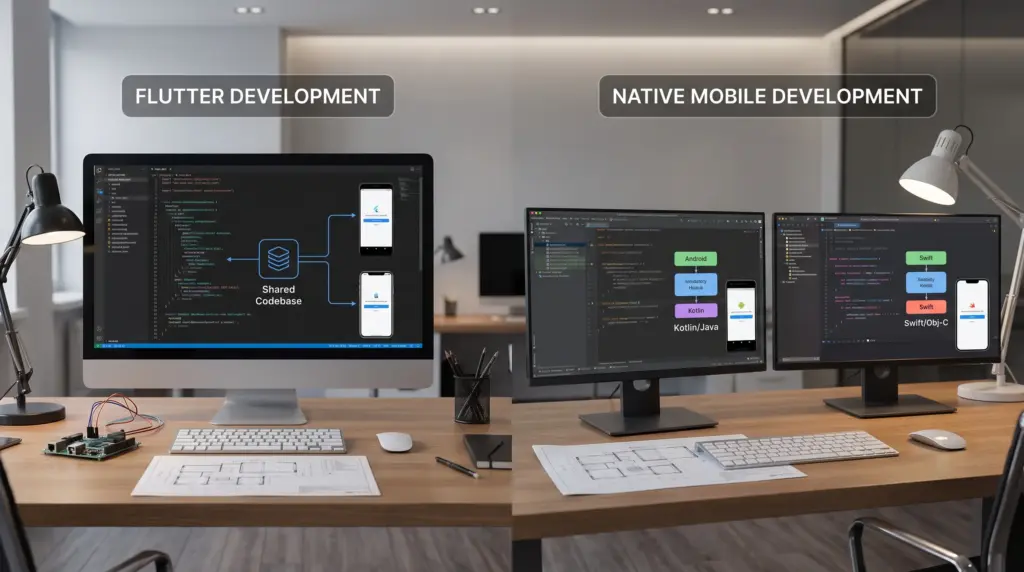
Native development uses tools built specifically for each operating system. Conversely, Flutter allows developers to build apps for multiple platforms using one shared codebase. Therefore, the right choice depends on your project requirements, technical complexity, and future plans.
- Native Development: Provides direct access to platform-specific features and capabilities.
- Flutter Development: Supports multiple platforms through a shared codebase.
- Technology Selection: Should be based on performance, budget, timeline, and project requirements.
Development Speed and Time Savings
Development speed is a vital factor when comparing technologies. Furthermore, Flutter lets teams reuse code across platforms. Additionally, its Hot Reload feature helps developers see changes instantly during builds.
- Shared Codebase: Reduces the need to build the same features separately for different operating systems.
- Hot Reload: Makes testing interface and code updates much faster during development.
- Native Development: May require separate code implementations for Android and iOS devices.
Development Cost and Budget
Technology alone does not determine the total cost of an application. However, reducing duplicated work can optimize resources, especially when targeting both Android and iOS platforms simultaneously.
- Target Platforms: Supporting multiple platforms can increase development and testing requirements.
- Project Complexity: Advanced features usually require more resources regardless of the chosen technology.
- Code Reusability: Flutter can reduce duplicated tasks by allowing common components to be shared.
Performance: When Does Native Have an Advantage?
Native development provides direct access to system capabilities. Therefore, it suits apps needing intensive processing. Furthermore, Flutter focuses on performance, supporting smooth interfaces and high refresh rates up to 120 frames per second.
- Response Speed: Core application functions should remain fast and responsive during regular use.
- Animations: Complex animations should be tested on real devices to ensure smooth performance.
- Resource Usage: Memory and processor consumption should be monitored during heavy operations.

Flutter for Cross-Platform Applications
Flutter is built to support multi-platform applications while sharing a large codebase. Additionally, it can easily communicate with platform-specific code whenever specialized device features are required.
- Shared Code: Helps maintain common application logic across different platforms.
- Consistent Interfaces: Makes it simple to maintain a uniform look and feel across devices.
- Platform Flexibility: Allows seamless integration with native APIs when necessary.
When Is Native Development the Better Choice?
Native development is a strong option when apps require deep integration with OS features. Moreover, it works best when Android and iOS versions need completely different functionalities.
- Advanced Features: Useful when the application heavily depends on platform-specific capabilities.
- Specialized Performance: Suitable for applications with demanding system performance needs.
- Deep Integration: Provides direct control over operating system APIs and device hardware.
Maintenance and Future Updates
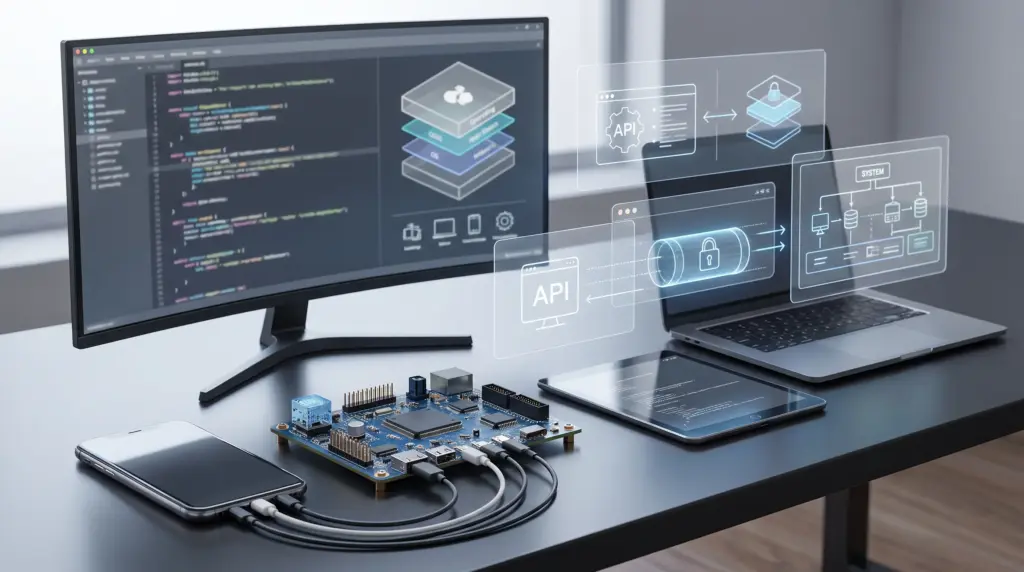
App development does not end at launch. Bug fixes, security patches, and updates are part of the product lifecycle. Therefore, choosing a technology with clean code organization makes future maintenance much easier.
- Code Organization: A clear folder structure makes future changes easier to implement.
- Code Reusability: Shared components reduce repeated modifications across multiple platforms.
- Testing: Automated testing helps find problems early and supports reliable software updates.
User Experience and Retention
Technology alone does not guarantee app success. User experience, speed, and stability influence engagement. For instance, AppsFlyer reports retention can drop from 25% on Day 1 to 6% on Day 30, proving reliability is vital.
- Clear Interface: Reduces unnecessary user steps when completing important app tasks.
- Fast Response: Makes screen interactions feel smooth and seamless.
- Stable Experience: Lowers crash rates that often cause users to uninstall apps.

Choosing the Right Technology for Your Project
The best decision starts with evaluating your goals before selecting any framework. Furthermore, important factors include target platforms, complexity, budget, timeline, and long-term business growth.
- Multi-Platform Project: Flutter is a top option when code sharing is a priority.
- Highly Specialized Project: Native development suits deep platform-specific requirements.
- Limited Budget: Always compare initial development and maintenance costs beforehand.
Flutter or Native: Making the Final Decision
Flutter works best when building multi-platform apps with shared code. Conversely, native is best for deep OS integration. Moreover, Flutter has gained massive adoption, with over one million apps shipped by May 2023.
- Choose Flutter: When speed, shared code, and multi-platform support are key priorities.
- Choose Native: When direct platform control and specialized hardware capabilities matter most.
- Compare Before Development: Evaluate cost, performance, and maintenance requirements together.