Define Project Goals Before Development
First, choosing the right software development approach starts with clearly understanding the project’s main goal. Furthermore, identifying the problem it solves and the expected outcomes is crucial. Consequently, clear goals help teams prioritize essential features and successfully avoid unnecessary development work.
- Define the Problem: Specifically, identify the exact problem the software should solve.
- Set Expected Outcomes: Therefore, establish measurable results that the project should achieve.
- Prioritize Features: Moreover, focus first on functions that provide the greatest value.
Analyze Software Requirements Carefully
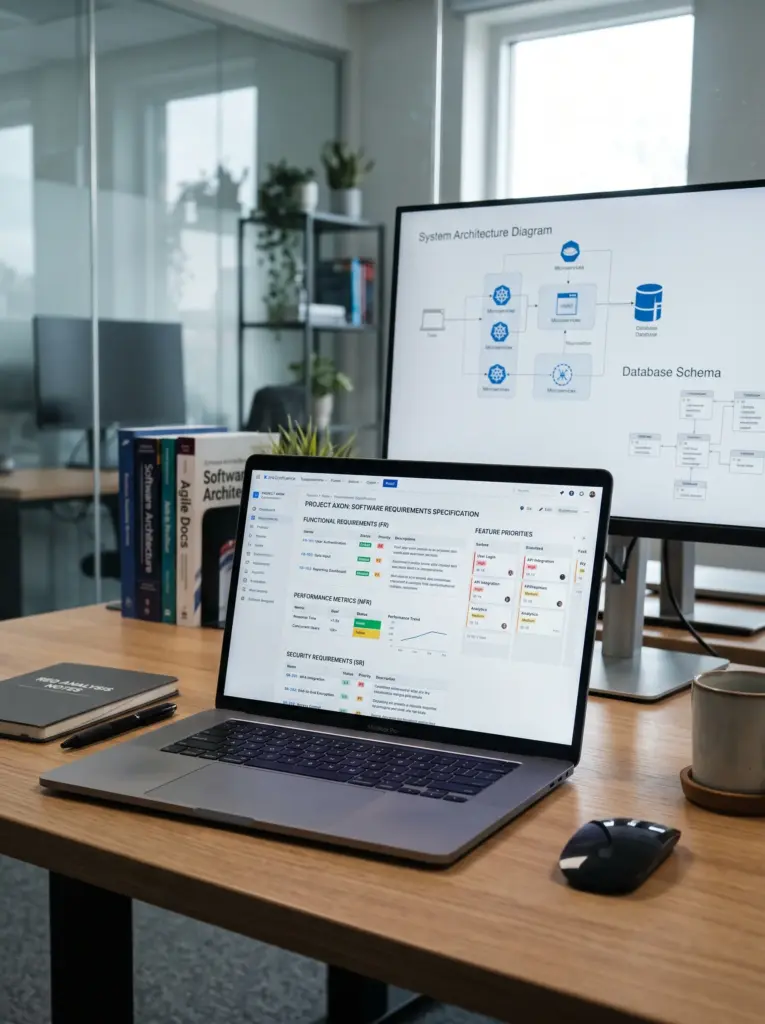
Software requirements provide a strong foundation for selecting an appropriate development approach. In addition, they define expected features, performance levels, security needs, and technical limitations. Clear requirements ultimately support more accurate planning and execution.
Statistic: Nearly 47% of unsuccessful projects fail to meet their goals because of poor requirements management.
- Functional Requirements: Clearly define what the software must actually do.
- Performance Requirements: Specify expected speed and overall system responsiveness.
- Security Requirements: Establish strict rules for protecting data and operations.
Choose the Right Development Methodology
Software methodologies vary according to project characteristics and requirement changes. Since there is no single approach that fits every project, the methodology should match the required level of flexibility.
Statistic: Research involving 1,002 projects found a positive relationship between Agile use and project success.
- Agile: This works exceptionally well when requirements change frequently.
- Waterfall: This perfectly fits projects with clearly defined requirements.
- Hybrid: This successfully combines structured planning with flexible development.
Define the Project Scope Clearly
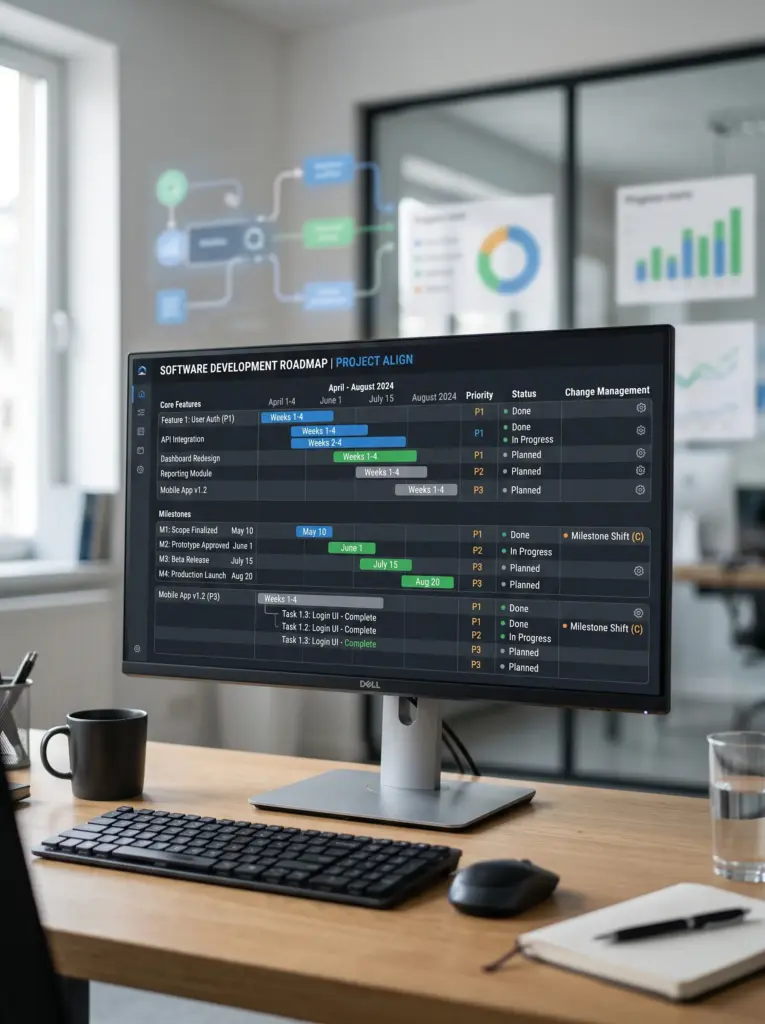
A clearly defined scope establishes what will and will not be included. Furthermore, it helps reduce uncontrolled changes that can negatively affect the timeline, budget, and overall quality of the software.
Statistic: PMI reports that 5.1% of project spending is wasted because of poor requirements management.
- Define Features: List all required functions before development begins.
- Avoid Scope Creep: Prevent unnecessary features from expanding the project.
- Manage Changes: Carefully evaluate the impact of every proposed modification.
Select Technologies Based on Project Needs
Languages and frameworks should never be selected simply because they are popular. Instead, the choice must consider project requirements, scalability, performance, maintenance, and long-term goals.
- Scalability: Choose technologies that can easily support expected growth.
- Performance: Carefully consider response speed and processing requirements.
- Maintainability: Always prefer technologies supporting clear and manageable code.
Focus on User Experience
User experience directly affects how easily people interact with software. Therefore, UX should be considered from early development stages rather than treated as a final design task.
- Clear Interface: Make important functions exceptionally easy to find.
- Simple Navigation: Reduce unnecessary steps throughout the user experience.
- Fast Response: Maintain smooth and responsive interactions at all times.
Plan the Budget and Timeline
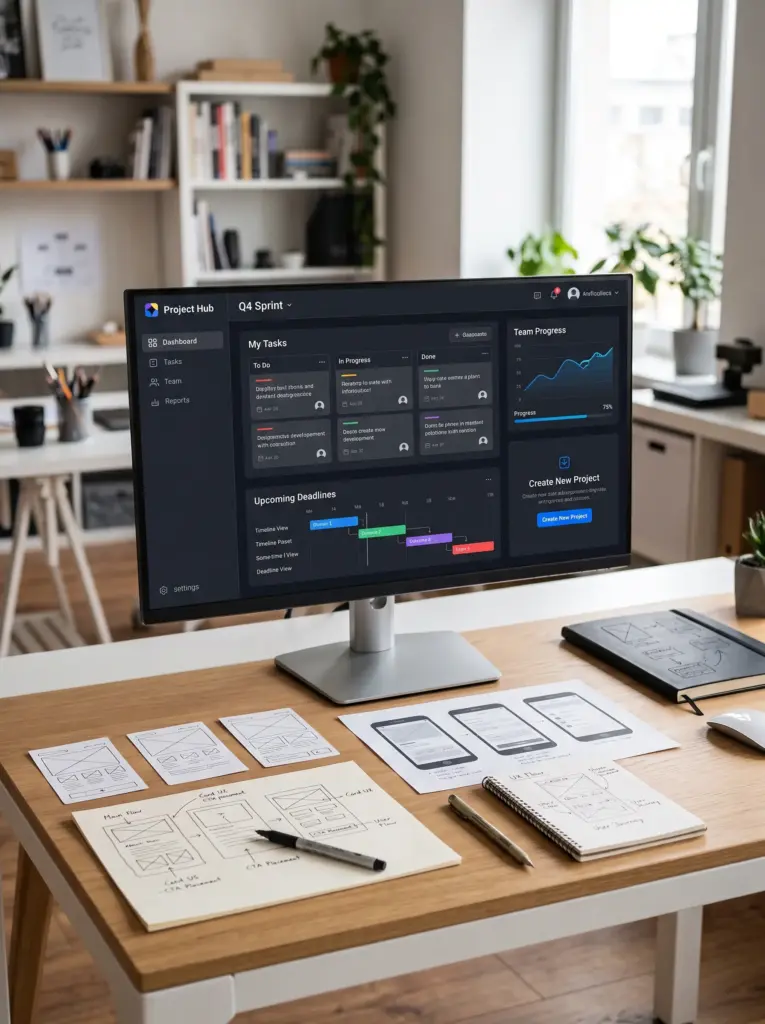
Estimating resources beforehand provides a realistic view of project requirements. Estimates should consider scope, complexity, and potential changes rather than relying solely on fixed assumptions.
Statistic: Research cited by PMI found that projects spending less than 5% of total costs on requirements experienced cost overruns of 80% to 200%.
- Feature Volume: More features generally require significantly more development time.
- Technical Complexity: Complex solutions often require additional resources.
- Changes: Frequent modifications can severely affect the schedule and budget.
Include Quality and Testing in the Plan
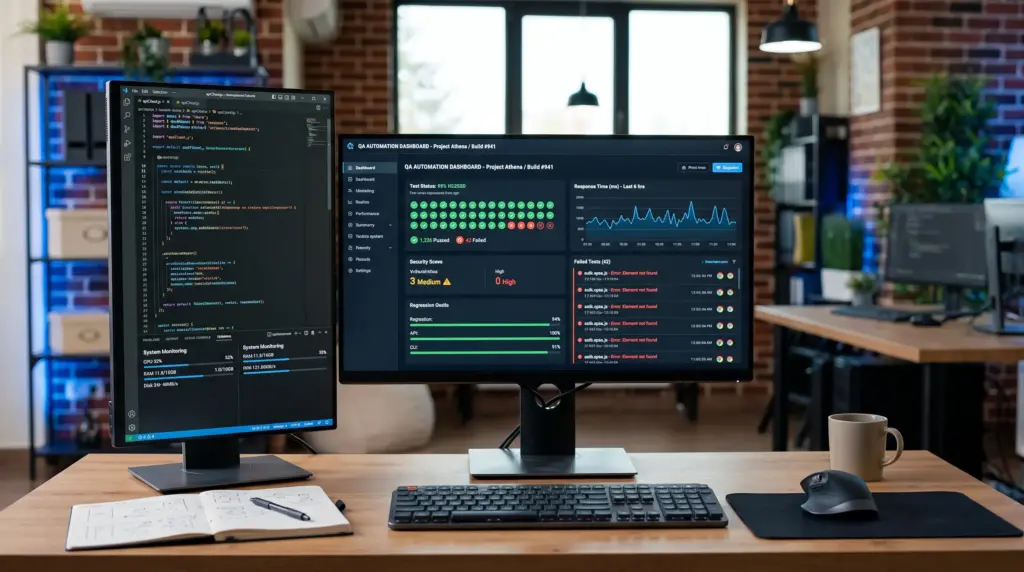
Testing should never be postponed until development ends. Finding problems earlier makes them easier to resolve and reduces their impact. Consequently, quality must be considered throughout the entire process.
- Functional Testing: Verify that each feature works precisely as expected.
- Performance Testing: Measure system responsiveness under different conditions.
- Security Testing: Identify potential vulnerabilities and security risks early.
Consider Scalability and Maintainability
Software should allow new updates without requiring complete rebuilds. Furthermore, a well-structured architecture makes maintenance significantly easier and supports future growth.
- Flexible Architecture: Build components that can be easily extended and modified.
- Clean Code: Use structures that make software easier to understand.
- Clear Documentation: Record important functions and technical decisions properly.
Measure Results After Launch
Development does not end at launch. Monitoring performance, usage, errors, and user behavior provides valuable information for future improvements and helps prioritize next steps.
Statistic: PMI research found that 47% of projects failed to meet their goals due to poor requirements management.
- Performance: Constantly monitor speed, stability, and error rates.
- Usage: Quickly identify the most frequently used features.
- Updates: Continuously improve areas where recurring problems appear.