Understanding the Types of E-Learning Platforms
E-learning platforms vary based on content, delivery, and interactive tools. For instance, according to the 2023 UNESCO Report, over 220 million learners joined MOOCs in 2021. This reveals a massive shift from zero learners in 2012. As a result, digital learning now shapes modern education.
Key Criteria for Classifying Platforms
- Learning Approach: Some systems focus on self-paced study. However, others offer live classes or blend both methods.
- Target Audience: Needs differ greatly between students, individual upskillers, and corporate teams.
- Range of Features: Simple portals host basic lessons. In contrast, advanced systems manage users, tests, and tracking.
Recorded Online Course Platforms
Recorded platforms use pre-made lessons that students can stream anytime. Consequently, learners review topics at their own pace. Furthermore, instructors can update materials easily without running live classes repeatedly.
Features of Recorded Learning Platforms
- On-Demand Access: Students watch video lessons whenever they want. Moreover, they can pause or replay difficult sections easily.
- Structured Learning Modules: Courses group videos, quick quizzes, and extra reading into logical pathways.
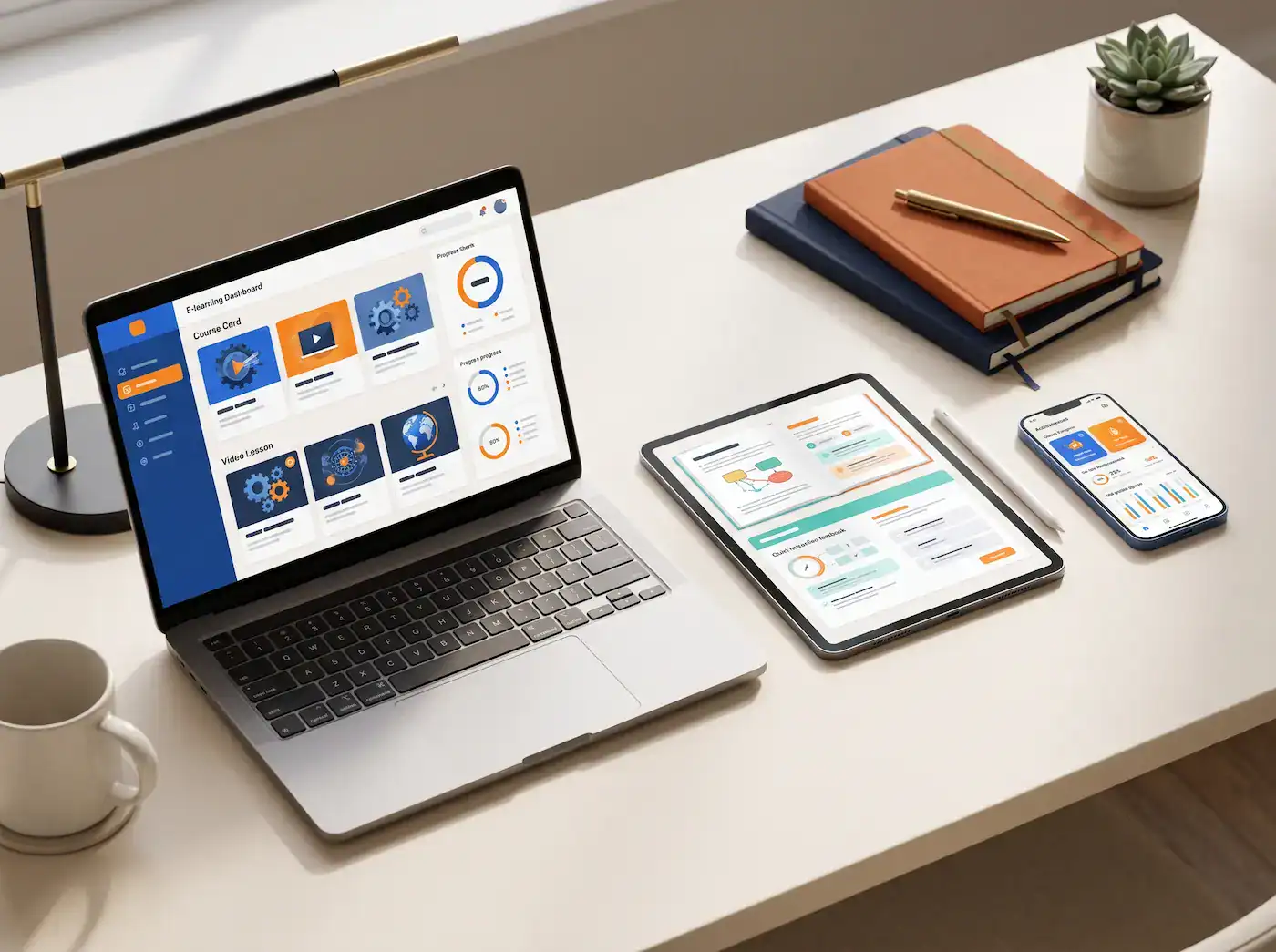
- Progress Tracking: Visual dashboards show finished tasks. Therefore, students stay motivated to finish their path.

Live Learning Platforms and Virtual Classrooms
Live platforms connect teachers and students in real time using video, audio, and chat. Thus, students get instant answers to their questions. However, these tools require fixed schedules and reliable internet connections.
Essential Functions of Live Learning Platforms
- Session Management: Built-in calendars send automated reminders. As a result, participants join on time.
- Real-Time Interaction: Live chats, quick polls, and Q&A boxes keep learners active and focused.
- Session Recording: Platforms save live streams as videos. Consequently, absent students never miss a lesson.
Corporate Learning Management Platforms
Companies use specialized portals to train employees and track performance. In addition, these systems deliver organized courses and assessments. Therefore, managers can evaluate team skills efficiently.
Components of a Corporate Learning Environment
- User Management: Administrators assign roles by department. Thus, employees see relevant training modules.
- Training Program Assignment: Managers set firm deadlines and required tasks to guide skill building.
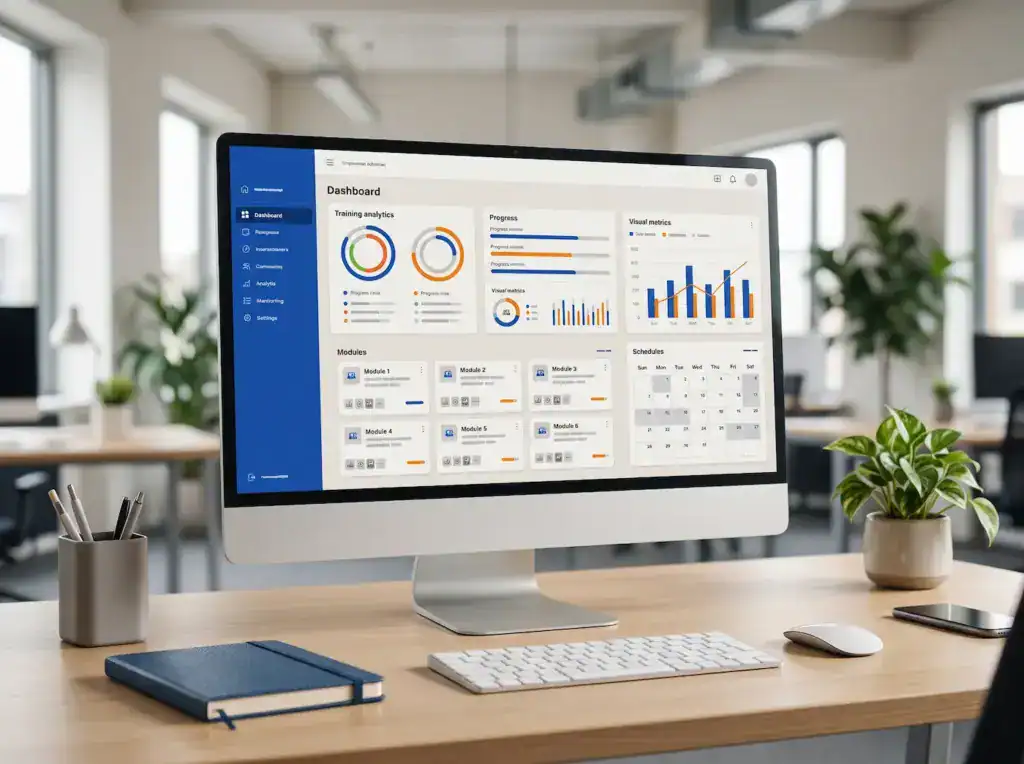
- Reporting and Analytics: Clear dashboards measure completion rates and test scores in real time.
Open Educational Platforms
Open learning websites share courses with global audiences. Many portals offer free modules alongside paid certificates. Thus, they expand access to knowledge. However, they need clear course levels to guide students well.
Characteristics of Open Educational Platforms
- Broad Content Accessibility: Anyone can explore various topics without formal university enrollment.
- Diverse Learning Paths: Programs cover beginner up to advanced skills. Consequently, users pick paths that fit their personal goals.
- Clear Participation Requirements: Pages state clearly if content, tests, or certificates require payment.
Mobile Learning Platforms
Mobile learning delivers content directly through phone apps. As a result, students can study on the go. Furthermore, users receive helpful updates and track progress without needing a desktop computer.
Features of Mobile Learning Platforms
- Easy Access: Responsive apps format lessons for small mobile screens. Therefore, reading remains comfortable.
- Learning Notifications: Push alerts gently remind users about pending tasks and new content.
- Support for Limited Connectivity: Offline downloads allow studying even without stable internet access.

Interactive and Adaptive Learning Platforms
Interactive platforms use exercises to turn passive viewers into active learners. Meanwhile, adaptive systems adjust lesson difficulty based on user scores. Therefore, each student gets a personalized study path.
Ways to Enhance Interaction and Personalization
- Practical Activities: Hands-on tasks let students practice skills before moving to harder units.
- Adaptive Learning Paths: Test results automatically guide students to review weak concepts.
- Feedback: Clear explanations show why an answer was wrong. As a result, learning improves rapidly.
Subscription-Based Learning Platforms
Subscription platforms offer full catalog access for a recurring monthly fee. Tiered plans vary by features and library size. However, platforms must clearly explain renewal policies to keep user trust.
Key Principles for Organizing a Subscription Model
- Plan Design: Clear pricing tiers help users pick the best plan for their needs.
- Subscription Management: Simple settings allow easy plan changes, renewals, or cancellations.
- Measuring Value: Usage tracking shows if content satisfies subscriber expectations.
Specialized Educational Platforms
Specialized portals focus on single fields like coding, design, or languages. By focusing on one domain, these platforms offer deeper content. Consequently, they build better skill testing tools.
Advantages of Specialized Learning
- In-Depth Content: Courses advance logically from core basics to complex real-world projects.
- Skills Assessment: Custom practical tests measure real job skills instead of generic theory.
- Building a Knowledge Community: Forums connect peers to share tips, work, and practical insights.
How to Choose the Right Type of E-Learning Platform
Selecting the right system depends on goals, budget, and accessibility. According to UNESCO 2023 data, remote study reached over one billion students. However, it failed to reach 500 million students worldwide. Therefore, evaluating access is crucial before choosing a model.
Steps for Making the Right Decision
- Identify Requirements: Decide if your program needs live streams, recorded videos, or interactive tasks.
- Compare Available Options: Evaluate platform usability and total cost rather than relying on popularity alone.
- Test the Model: Run a pilot test with a small focus group to gather feedback before launching fully.