1. Fundamentals of Learning Management Systems
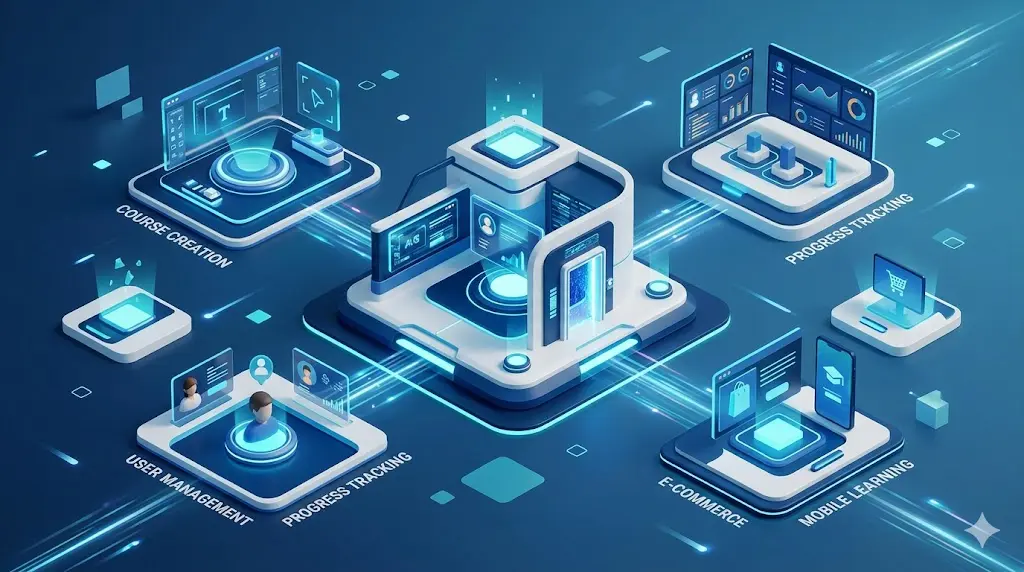
Learning management systems provide a digital environment designed to organize educational content. Consequently, these platforms make access more flexible. Furthermore, they improve the overall learning experience and enhance knowledge acquisition efficiency. This transformation relies on several core elements, including:
Content Details
- Learning system concept: It transforms traditional content into a structured digital experience.
- Digital transformation: This improves learning efficiency and speeds up access to information.
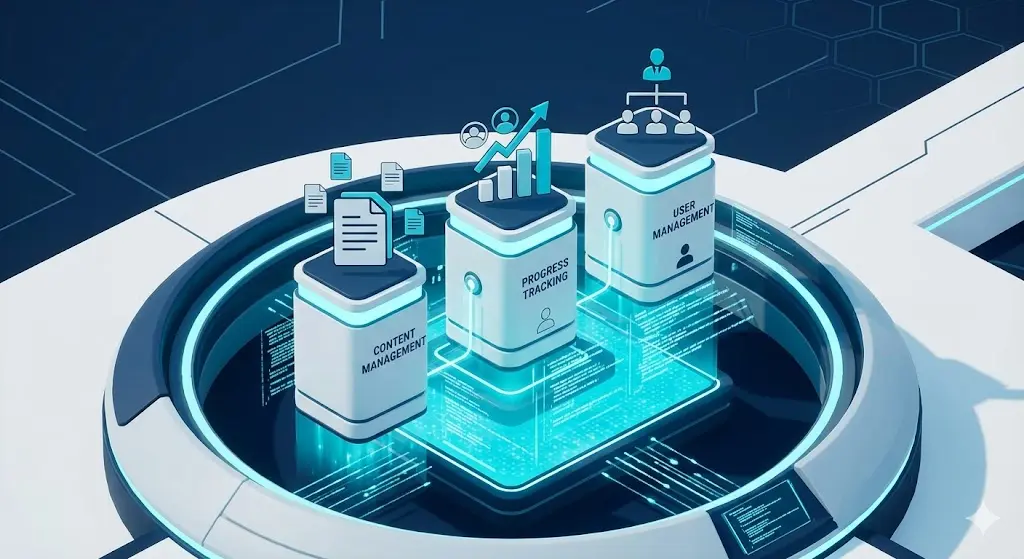
2. Core Components of LMS Platforms
These systems rely on integrated tools that help manage the learning process. Therefore, they deliver a smooth and organized experience. Moreover, the following elements ensure the system works effectively:
System Elements
- Content management: Organizing materials clearly allows for easy and continuous updates.
- Progress tracking: Monitoring performance helps identify strengths and weaknesses effectively.
- User management: This ensures full system control by organizing accounts and permissions.
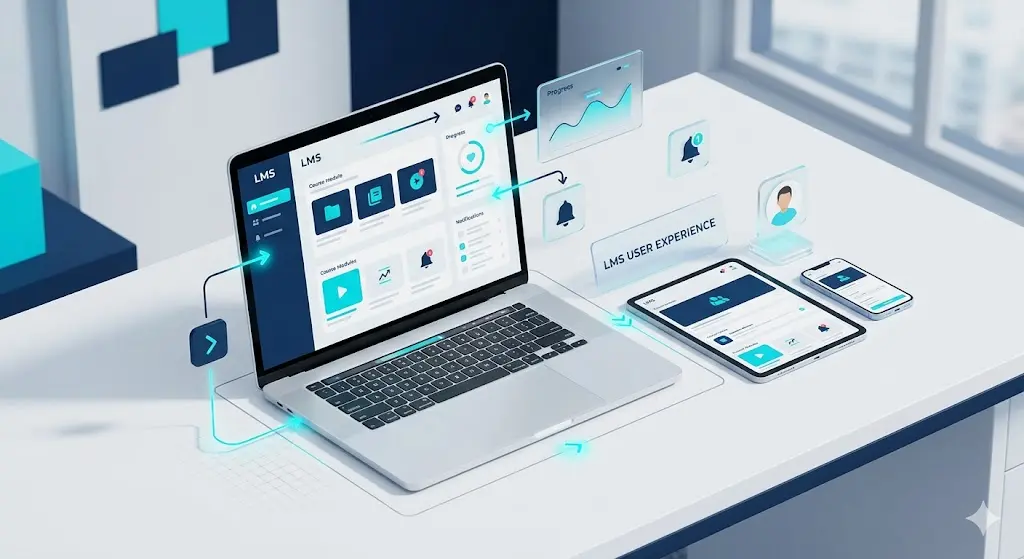
3. User Experience in LMS Platforms
Good design focuses on providing a simple interface. Consequently, this helps learners access content without distraction. In addition, a successful experience includes these factors:
Experience Components
- Clear user interface: A flexible design allows easy navigation with fewer steps.
- Device compatibility: This provides a consistent experience across different screen types.
4. Scalability in Learning Systems
Modern systems can grow continuously without affecting performance. Thus, they are suitable for large-scale use. Specifically, scalability involves the following:
Scalability Elements
- User capacity handling: Supporting large numbers of learners while maintaining stability.
- Flexible architecture: This allows adding new features easily without rebuilding the system.
- Future expansion support: Preparing the system to handle long-term growth.
5. Data Protection in LMS Platforms
Security is a fundamental element to ensure a safe environment. Therefore, it protects user privacy. Furthermore, robust security depends on:
Security Components
- Data encryption: Protecting information during transmission to prevent unauthorized access.
- Permission management: Controlling access levels to ensure organized usage.
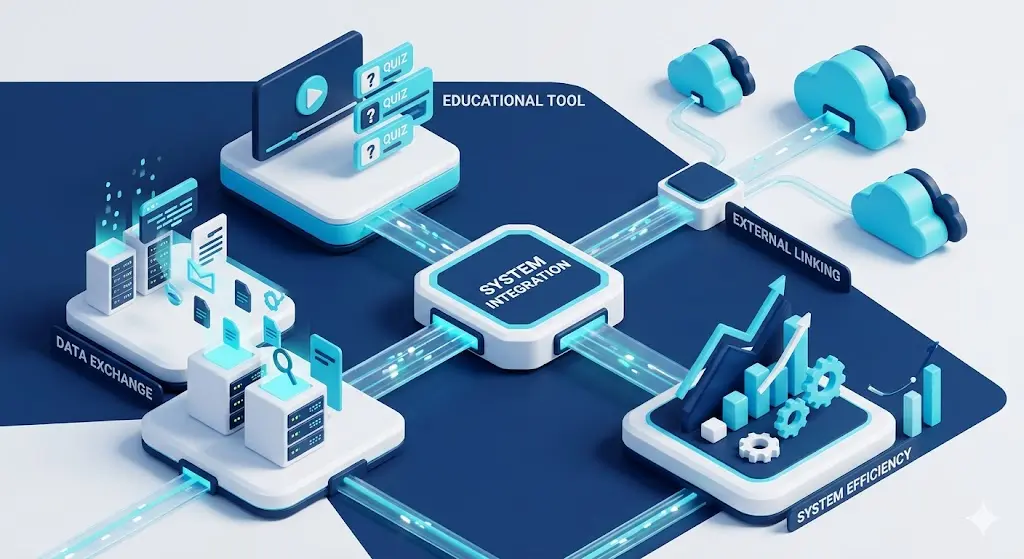
6. Integration with Other Systems
Integration between tools improves overall efficiency. Consequently, it delivers a more connected experience. These elements are key to successful integration:
Integration Elements
- Educational tool integration: Combining videos and tests into a unified system.
- Data exchange: Automatically transferring information between systems accurately.
- External system linking: Connecting with other tools to expand functionality.
7. Learning Performance Analysis
Analytics tools provide clear insights into user behavior. Moreover, research shows that over 70% of institutions rely on analytics to improve quality. As a result, you can make more accurate decisions.
Analysis Components
- Engagement reports: Displaying how learners interact with the educational content.
- Results evaluation: Identifying weaknesses to improve the overall learning quality.
8. Personalized Learning Experience
Personalization helps deliver specific content for each user. Thus, it makes learning more accurate and effective. In addition, this includes several key features:
Personalization Elements
- Individual learning paths: Designing content tailored to each learner’s specific level.
- Smart content suggestions: Recommending materials based on previous user behavior.
9. Mobile-Based Learning
Mobile access makes learning more flexible and available anywhere. According to Statista, over 60% of activities occur on mobile. Therefore, responsive design is essential.
Mobile Usage Components
- Responsive design: An interface that works efficiently across all screen sizes.
- Real-time notifications: Alerts that help users stay updated with new tasks.

10. Educational Content Management
Management tools help organize materials clearly. Consequently, they make content easy to update. Furthermore, effective management involves:
Management Elements
- Course organization: Structuring content into modules to simplify learning.
- Content updates: The ability to modify materials continuously based on needs.
11. Continuous LMS Development
Learning systems require ongoing improvements to ensure performance. In fact, updated systems achieve much higher engagement rates. Therefore, regular development is crucial.
Development Elements
- Performance improvement: Fixing technical issues to ensure speed and stability.
- New feature development: Adding modern features that enhance the user experience.