
1. Product Development Concept
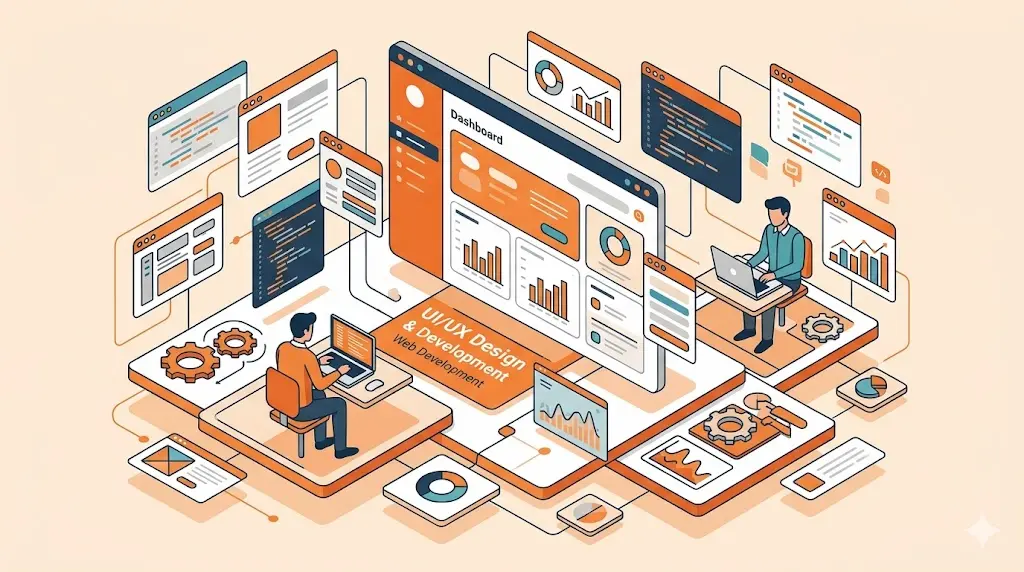
Product development turns simple ideas into real solutions. To begin with, this process focuses on high quality and speed. Therefore, it helps businesses create tools that actually work for people. Consequently, this leads to better results from the very start.
Key Elements
- Market Research: First, you must find what users really need and look for gaps.
- Competitor Analysis: Next, study other products to find ways to make yours better.
- Value Definition: Finally, create a clear and unique advantage for your product.
2. Development Stages
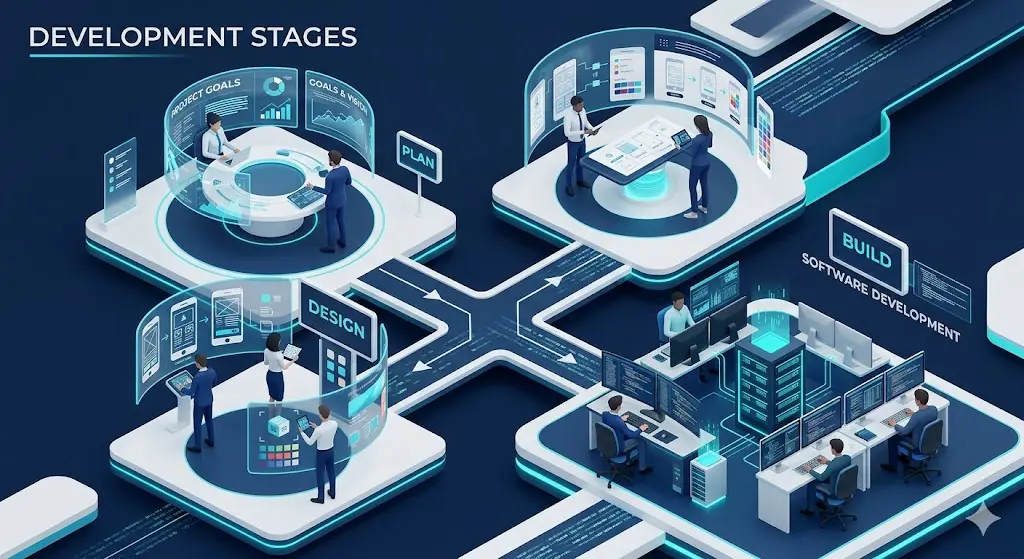
The process follows a clear path to build a great product. Because of this, teams can meet user needs more easily. In addition, these stages keep the project organized. As a result, the final product is more effective.
Execution Steps
- Initial Planning: To start, define clear goals and a vision for the project.
- Detailed Design: Then, build models that show how the user will feel.
- Technical Development: After that, turn those designs into working software.
3. User Experience Importance
User experience is vital for a product’s success. For instance, research from HubSpot shows that a better experience keeps users longer. Moreover, happy users often recommend the product to others. Thus, design should always put the user first.
Experience Factors
- Ease of Use: First, a simple design makes using the product very smooth.
- Fast Response: Additionally, reducing load times makes users much happier.
- Clear Interface: Finally, organize content so it is easy to find.
4. Role of Innovation
Innovation helps create fresh ideas for changing needs. Specifically, it allows products to stand out in a busy market. Furthermore, being creative solves problems in new ways. Consequently, your product stays ahead of the competition.
Innovation Areas
- Creative Thinking: To begin, try to generate unique ideas that are different.
- Modern Tools: Next, use the latest tech to make things work better.
- Continuous Improvement: Also, keep updating features based on user feedback.

5. Strategic Planning
Strong planning ensures that work gets done efficiently. For example, McKinsey notes that good planning boosts productivity. Besides that, it helps reduce risks during the project. Therefore, a solid plan is the foundation of success.
Planning Elements
- Goal Setting: First, set goals that you can actually measure and reach.
- Resource Management: Secondly, use your time and effort in the smartest way.
- Performance Review: Lastly, track your progress and fix things as you go.
6. Product Testing
Testing makes sure your product is safe and works well. To clarify, you should fix errors before the big launch. Additionally, careful checks prevent future problems for users. As a result, your product will be reliable and trusted.
Testing Types
- Performance Testing: Start by measuring speed under different situations.
- Security Testing: Moreover, protect user data from any possible threats.
- Compatibility Testing: Also, make sure it works on all types of devices.

7. Lifecycle Management
Managing the lifecycle keeps a product useful for a long time. In particular, it supports growth and keeps quality high. However, you must adapt as the market changes. Consequently, this leads to long-term success for the brand.
Lifecycle Phases
- Initial Launch: First, introduce your product in a very organized way.
- Growth Phase: Then, add more features and reach more new people.
- Continuous Updates: Finally, keep improving based on what users need.
8. Data Analysis
Data analysis helps teams make much smarter decisions. Specifically, McKinsey says that data-driven plans boost efficiency by 20%. In addition, it removes guesswork from your strategy. Therefore, using data is essential for modern business.
Analysis Tools
- Performance Tracking: To start, monitor how the product is used every day.
- Behavior Analysis: Next, try to understand how users interact with it.
- Optimization Actions: Finally, adjust your plan using these clear insights.

9. Product Marketing
Marketing helps the right audience find your product. For example, HubSpot reports that good content increases engagement by half. Furthermore, it builds a strong connection with users. Thus, marketing is key to reaching more people.
Marketing Strategies
- Digital Marketing: First, use online channels to reach people quickly.
- SEO Optimization: Then, improve your rank so people find you in search.
- Engaging Content: Also, share useful information that looks attractive.
10. Challenges and Solutions
Developing a product often faces many obstacles. Because of this, you need a flexible plan to stay on track. Moreover, finding practical solutions helps maintain quality. In conclusion, facing challenges directly makes the team stronger.
Main Challenges
- Changing Needs: To start, learn to adapt fast to what users want.
- Time Pressure: Next, try to meet deadlines without losing quality.
- Limited Resources: Finally, aim for great results even with fewer tools.